
Understanding the Versatility and Applications of Flake of Mica Across Industries
Understanding the Versatility of Flake of Mica
Flake of mica, a naturally occurring mineral, is prized for its unique properties and wide range of applications. From enhancing cosmetic products to serving as a critical component in industrial processes, its versatility is truly remarkable. This article explores the various facets of flake of mica, its properties, applications, and sourcing options. We'll delve into why HJ Mica is a trusted supplier of high-quality mica flakes for diverse industries. Choosing the right mica supplier is crucial for consistent quality and performance.

What is Flake of Mica?
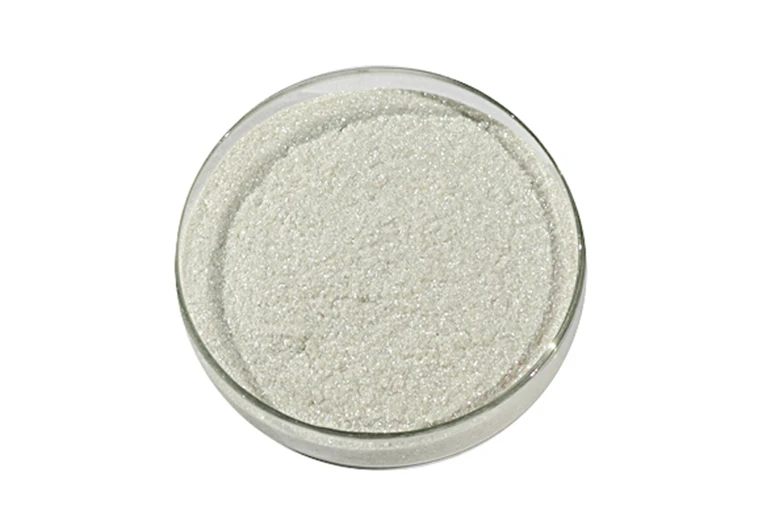
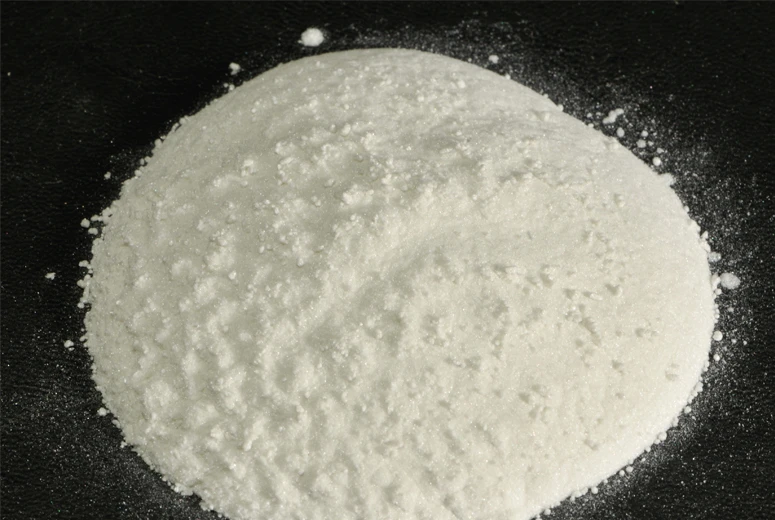
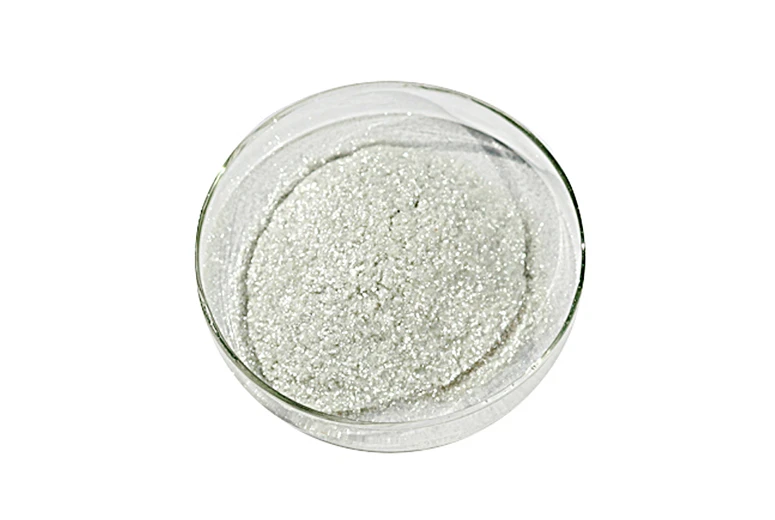
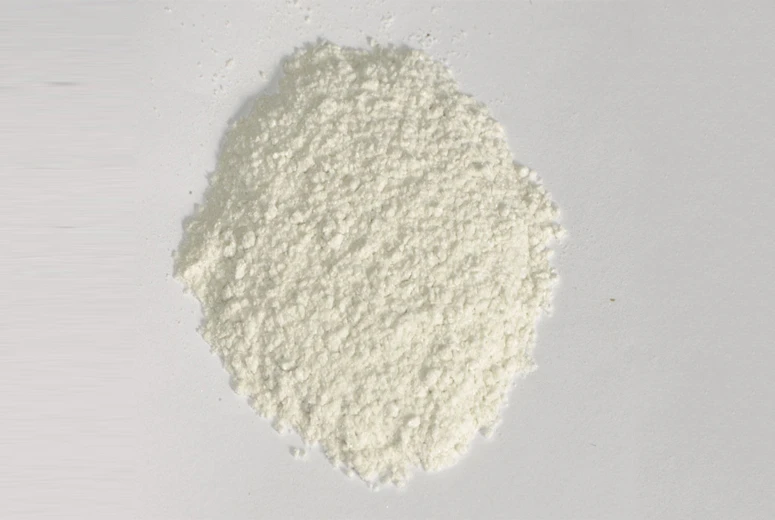
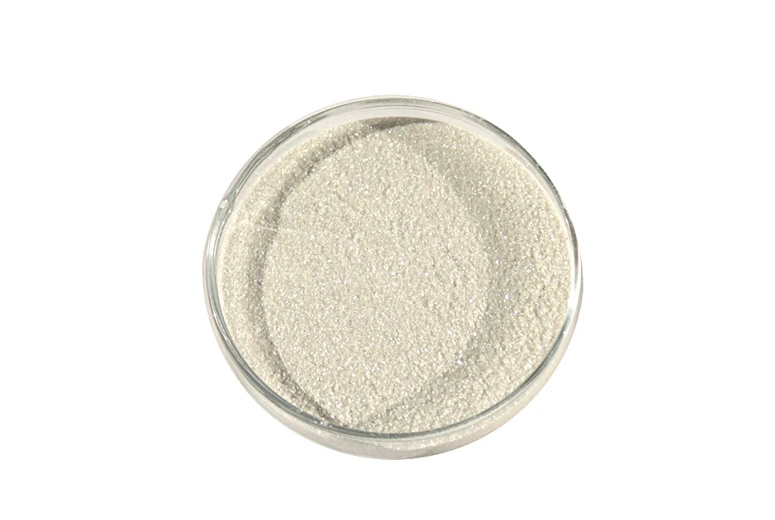
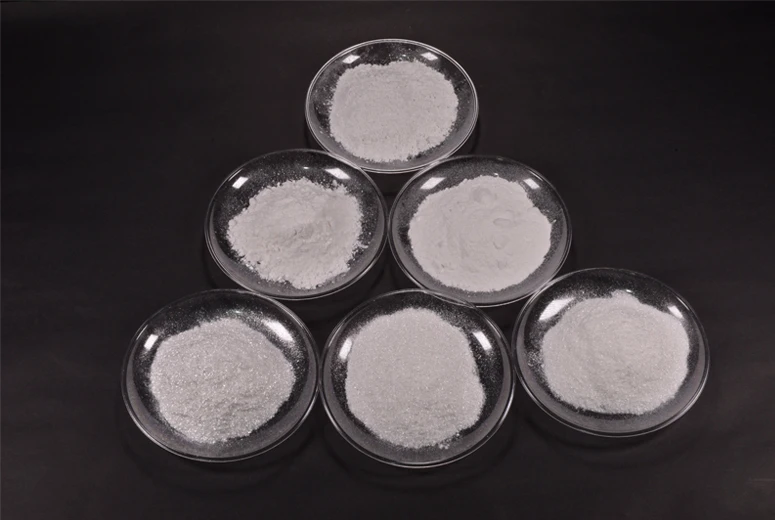
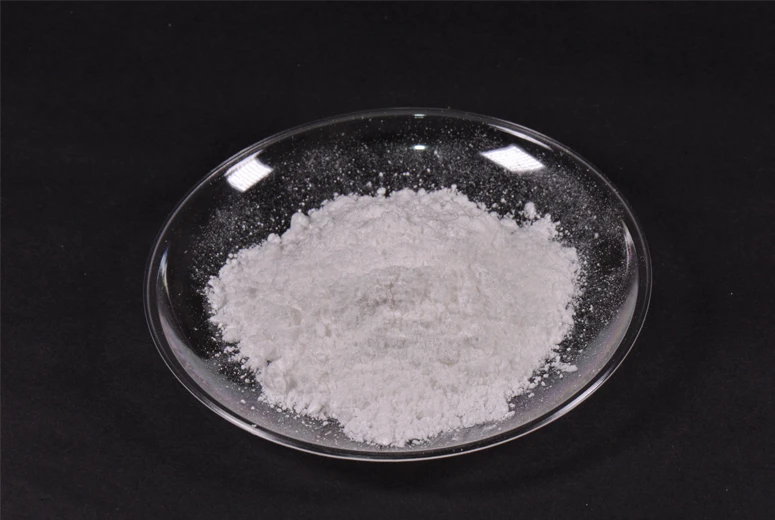
Flake of mica refers to naturally occurring silicate minerals that cleave easily into thin, flexible, and remarkably resilient flakes. These flakes exhibit excellent dielectric strength, thermal stability, and chemical inertness. The most common types of mica used industrially are muscovite and phlogopite. Muscovite is known for its clarity and high insulating properties, while phlogopite offers superior thermal resistance. The quality of flake of mica depends on its purity, flake size, and thickness.
Key Highlights: Flake of mica's inherent properties – flexibility, thermal stability, and chemical inertness – make it ideal for a diverse range of applications.
Key Properties of Mica Flakes
Several properties contribute to the widespread use of mica flakes. Its excellent dielectric strength makes it invaluable in electrical applications, preventing electrical breakdown. The thermal stability of mica allows it to withstand high temperatures without degrading, making it suitable for use in high-temperature insulation. Moreover, mica is chemically inert, meaning it doesn't react with most chemicals, ensuring its longevity and reliability in various environments. Its natural luster also contributes to its use in cosmetic and paint industries.
Essential Properties:
• High Dielectric Strength
• Thermal Stability
• Chemical Inertness
• Flexible and Resilient
Applications of Flake of Mica Across Industries
The applications of flake of mica are diverse and span numerous industries. In the cosmetics industry, it’s used to add shimmer and pearlescence to products like eyeshadows, foundations, and lipsticks. In paints and coatings, it enhances durability, weather resistance, and appearance. The electrical industry utilizes mica flakes as insulation in capacitors, wiring, and other components. In construction, it’s incorporated into roofing materials and cement for improved insulation and fire resistance. Furthermore, mica flakes find application in the plastics industry as a reinforcing filler. The quality of mica is critical in achieving desired results in these applications.
Choosing the Right Flake of Mica Supplier
Selecting a reliable supplier is critical for ensuring the quality and consistency of your mica flakes. Factors to consider include the supplier's sourcing practices, quality control measures, and ability to meet your specific requirements. HJ Mica is committed to providing high-quality mica flakes sourced responsibly and processed to meet stringent industry standards. We offer a range of flake sizes and purities to cater to diverse application needs.

Product Specifications and Available Grades
We offer a variety of flake of mica grades to suit specific applications. Here's a summary of our typical product specifications:
Conclusion: Harnessing the Power of Mica with a Trusted Partner
Flake of mica offers a unique combination of properties that make it an invaluable material across a wide spectrum of industries. From enhancing the beauty of cosmetics to providing essential insulation in electrical applications, its versatility is undeniable. Partnering with a reliable supplier like HJ Mica ensures you receive high-quality mica flakes tailored to your specific needs.
Frequently Asked Questions (FAQs)
What is the difference between muscovite and phlogopite mica?
Muscovite and phlogopite are the two most common types of mica used in industrial applications. Muscovite is known for its clarity, high dielectric strength, and excellent insulating properties, making it suitable for electrical applications. Phlogopite, on the other hand, boasts superior thermal resistance and is often preferred in high-temperature applications. Phlogopite is also generally less brittle than muscovite. The choice between the two depends on the specific requirements of your application.
How is mica flake size measured?
Mica flake size is typically measured in millimeters (mm) and refers to the average diameter of the flakes. It can also be expressed as a particle size distribution, indicating the percentage of flakes within a specific size range. Different applications require different flake sizes. For example, cosmetics often use finer flakes for a smooth texture, while construction applications may utilize larger flakes for increased reinforcement.
Is mica ethically sourced?
Ethical sourcing is a growing concern in the mica industry. Historically, there have been issues regarding child labor in some mica mining regions. Reputable suppliers, like HJ Mica, prioritize ethical sourcing practices, ensuring fair labor standards and responsible mining operations. We work closely with our suppliers to verify compliance with ethical guidelines and promote sustainable practices.
What are the storage requirements for mica flakes?
Mica flakes should be stored in a cool, dry place, protected from moisture and direct sunlight. Exposure to moisture can cause clumping and affect the flakes’ performance. Properly sealed containers are recommended to prevent contamination and maintain the quality of the mica. Long-term storage should also avoid exposure to extreme temperatures.
-
Ultimate Guide to Using High Quality Pearl Paint Pigment for LusterNewsApr.16,2026
-
Elevating Automotive Aesthetics with Mica Powder Car PaintNewsApr.09,2026
-
Unlock Stunning Effects with Mica Powder for Paint ApplicationsNewsApr.07,2026
-
Comprehensive Guide to Mica Dye Powder Applications and BenefitsNewsApr.04,2026
-
Unlocking the Brilliance of Mica Pigment Paint for Diverse ApplicationsNewsMar.31,2026
-
Enhancing Concrete Performance with Durable Mica Chips for Concrete ApplicationsNewsMar.28,2026