
Revolutionizing Automotive Aesthetics with Modified Plastics Pearlescent Pigments
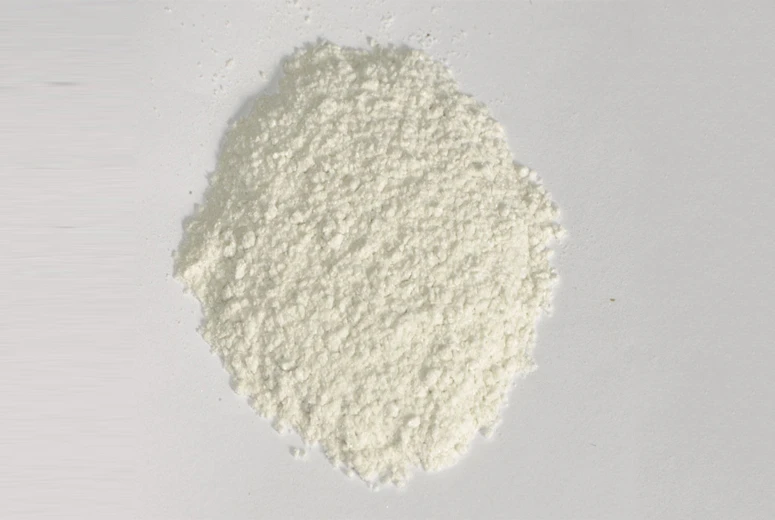
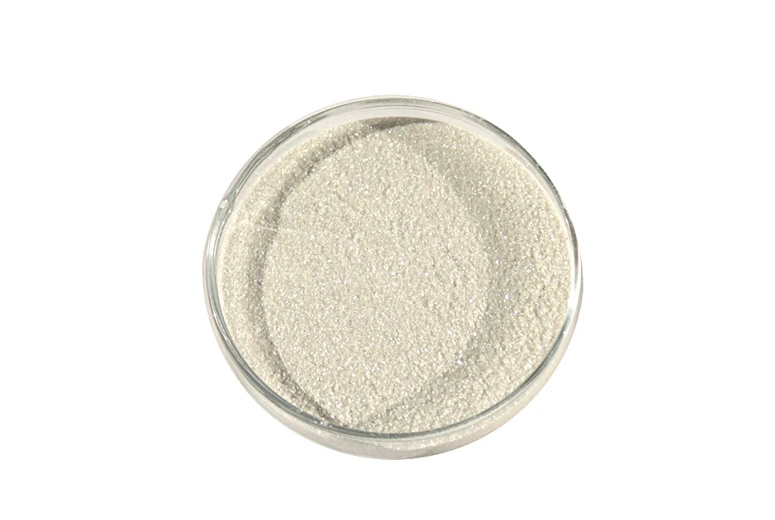
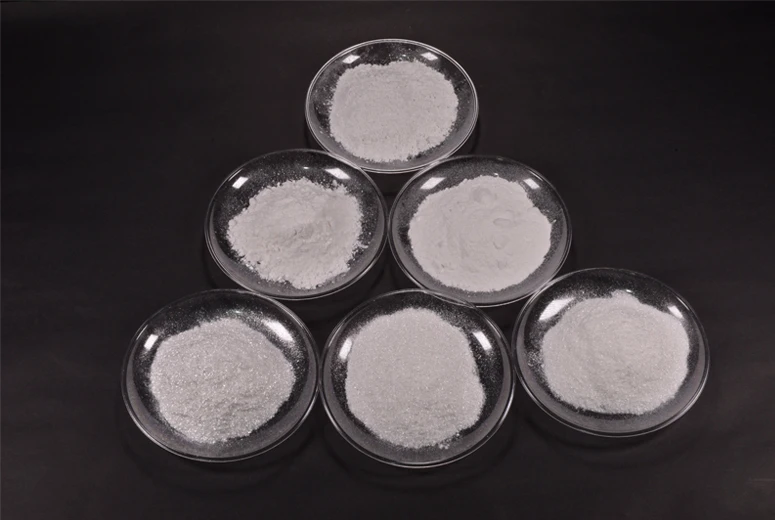
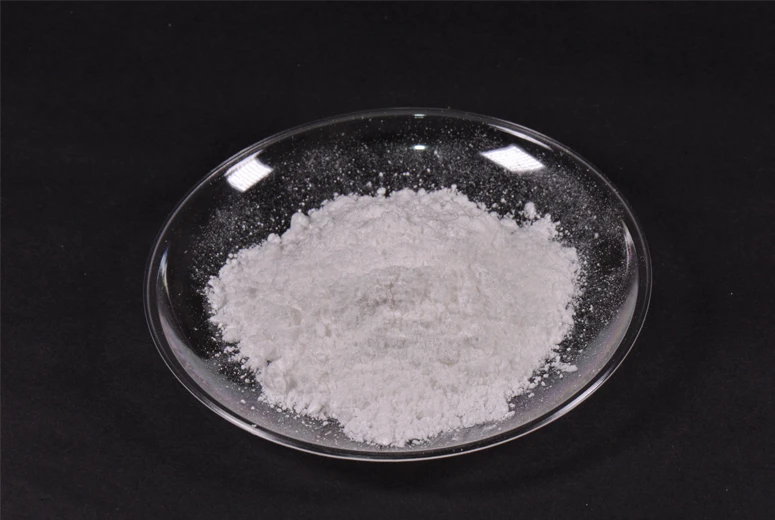
The automotive industry is undergoing a dramatic transformation, with modified plastics playing a pivotal role in vehicle design, performance, and sustainability. One of the most exciting advancements is the integration of pearl pigment powder for cars, which creates stunning visual effects while enhancing material properties.
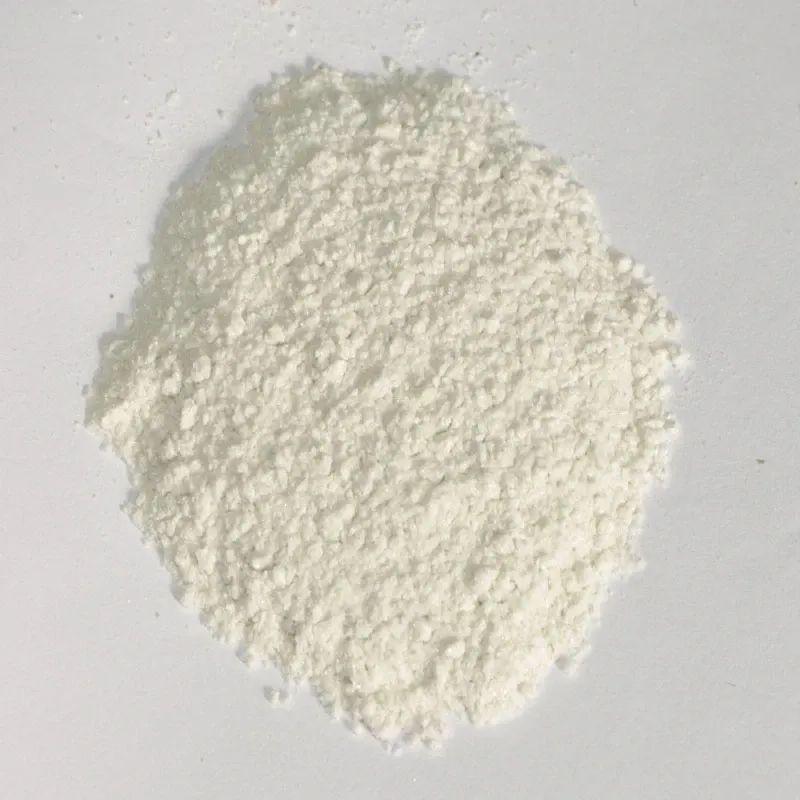
From shimmering body paints to high-performance plastic components, automotive mica powder is redefining what's possible in car manufacturing. This article explores how pearl powder for car paint and other specialized pigments are elevating automotive aesthetics and functionality.
1. The Role of Automotive Mica Powder in Modern Car Design
Automotive mica powder has become a game-changer in vehicle manufacturing, offering both aesthetic and functional benefits.
Why Automakers Choose Mica-Based Pigments
✔ Enhanced Visual Depth – Creates multi-dimensional, color-shifting effects
✔ UV Resistance – Protects against sun damage and fading
✔ Lightweight Properties – Reduces vehicle weight vs. traditional metal flakes
✔ Improved Durability – Withstands harsh weather and road conditions
Applications in Vehicle Components
Exterior Paints – Pearl pigment powder for cars produces luxury finishes
Interior Trim – Adds premium metallic accents to dashboards and panels
Light Covers – Creates iridescent effects on headlight/taillight housings
Leading manufacturers now prefer automotive pearl pigment powder over conventional options due to its superior performance and customization potential.
2. How Pearl Pigment Powder for Cars Transforms Vehicle Finishes
Pearl pigment powder for cars enables breathtaking paint effects that were once exclusive to high-end luxury vehicles.
Popular Automotive Pearl Effects
|
Effect Type |
Composition |
Visual Impact |
|
Classic Pearl White |
Titanium dioxide-coated mica |
Bright, luminous finish |
|
Color-Shifting |
Multi-layer interference pigments |
Dynamic hue changes (e.g., blue-purple) |
|
Metal Flake |
Aluminum oxide-enhanced mica |
Sparkling, high-reflectance look |
|
Chameleon |
Specialized oxide blends |
Dramatic angle-dependent color shifts |
Technical Advantages Over Traditional Pigments
Better dispersion in paint systems
Higher chemical stability
Reduced environmental impact vs. solvent-based alternatives
The use of pearl powder for car paint has become standard for premium OEM finishes and custom automotive designs.
3. Integrating Pearl Powder for Car Paint into Modified Plastics
Beyond paints, pearl powder for car paint is revolutionizing plastic components through advanced material engineering.
Key Application Areas
- Exterior Plastic Parts
Bumpers
Grilles
Mirror housings
- Interior Components
Dashboard panels
Door handles
Control knobs
- Functional Benefits
✔ Scratch resistance
✔ Weight reduction (up to 30% vs. metal parts)
✔ Design flexibility for complex shapes
Formulation Considerations
Optimal pigment loading (typically 1-5% by weight)
Compatibility with engineering plastics (PC, ABS, PP)
Processing temperature stability
Automotive pearl pigment powder enables manufacturers to create visually striking components without sacrificing performance.
4. The Future of Automotive Pearl Pigment Powder in Smart Materials
Innovations in automotive pearl pigment powder are driving the next generation of intelligent vehicle materials.
Emerging Technologies
Thermochromic Pigments – Color-changing effects based on temperature
Self-Healing Coatings – Microencapsulated pigments that repair minor scratches
Energy-Efficient Finishes – IR-reflective pigments that reduce cabin heat
Sustainability Advancements
Bio-based mica alternatives
Recyclable pigment-loaded plastics
Low-VOC formulation technologies
These developments position pearl pigment powder for cars as a key enabler of tomorrow's sustainable, high-tech vehicles.
5. Automotive Pearl Pigments FAQ
1.How does automotive mica powder improve paint durability?
The plate-like structure of automotive pearl pigment powder creates a protective barrier against UV rays, oxidation, and minor abrasions, extending paint life by 30 - 50%. When applied, these flat particles align parallel to the paint surface, overlapping like shingles. This arrangement blocks UV radiation from directly reaching the base paint, preventing photo-degradation. Additionally, it reduces oxygen penetration, inhibiting oxidation. The hard, reflective surface also resists scratches, safeguarding the paint's integrity over time.
2.Can pearl powder for car paint be used in plastic injection molding?
Yes, specially formulated pearl pigment powder for cars maintains stability at plastic processing temperatures up to 300°C. These pigments are engineered with heat-resistant coatings and chemical compositions that prevent discoloration or degradation under high heat. During injection molding, they evenly disperse within the molten plastic, ensuring consistent color and luster across the final product, whether it's a car interior trim or exterior component.
3.What's the difference between regular and automotive-grade pearl pigments?
Automotive-grade pearl powder for car paint features higher UV resistance, finer particle size distribution, and enhanced chemical compatibility with automotive coatings. The superior UV resistance protects against long-term sun exposure, while the precise particle sizing ensures a smooth, uniform finish. Their optimized chemical makeup allows for better adhesion to automotive paints, reducing the risk of flaking or fading compared to regular pigments.
4.How much pigment is needed per kg of plastic?
Typically 0.5 - 3% for subtle effects, up to 5% for high-opacity metallic looks in automotive mica powder applications. Lower concentrations create a delicate sheen, ideal for understated designs. Higher amounts intensify the color and metallic appearance but may impact the plastic's mechanical properties. Testing different ratios helps achieve the desired aesthetic while maintaining material integrity.
5.Are these pigments safe for electric vehicle components?
Absolutely. Modern automotive pearl pigment powder is non-conductive and compatible with EV battery housings and charging components. Rigorous safety testing ensures they don't interfere with electrical systems. Their chemical inertness also prevents reactions with battery electrolytes or other EV materials, making them a reliable choice for enhancing the visual appeal of electric vehicle parts without compromising functionality or safety.
-
Ultimate Guide to Using High Quality Pearl Paint Pigment for LusterNewsApr.16,2026
-
Elevating Automotive Aesthetics with Mica Powder Car PaintNewsApr.09,2026
-
Unlock Stunning Effects with Mica Powder for Paint ApplicationsNewsApr.07,2026
-
Comprehensive Guide to Mica Dye Powder Applications and BenefitsNewsApr.04,2026
-
Unlocking the Brilliance of Mica Pigment Paint for Diverse ApplicationsNewsMar.31,2026
-
Enhancing Concrete Performance with Durable Mica Chips for Concrete ApplicationsNewsMar.28,2026