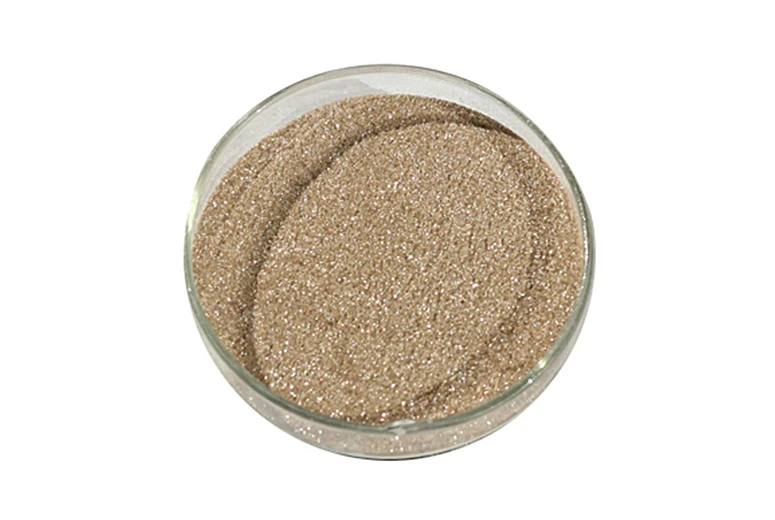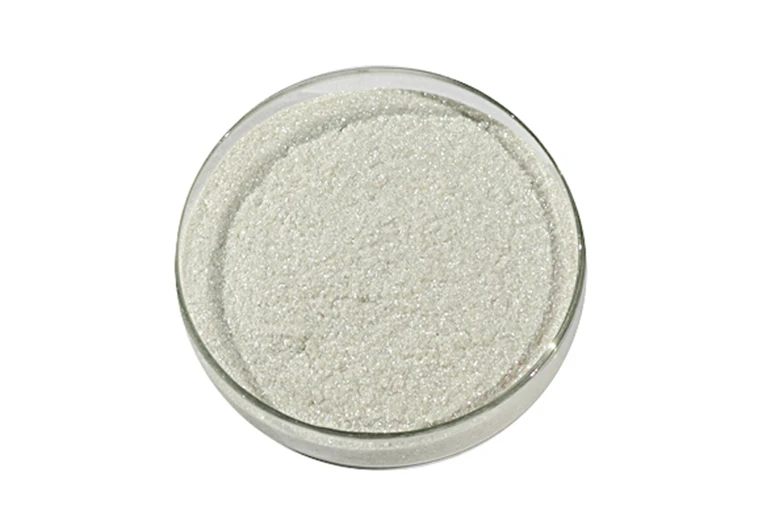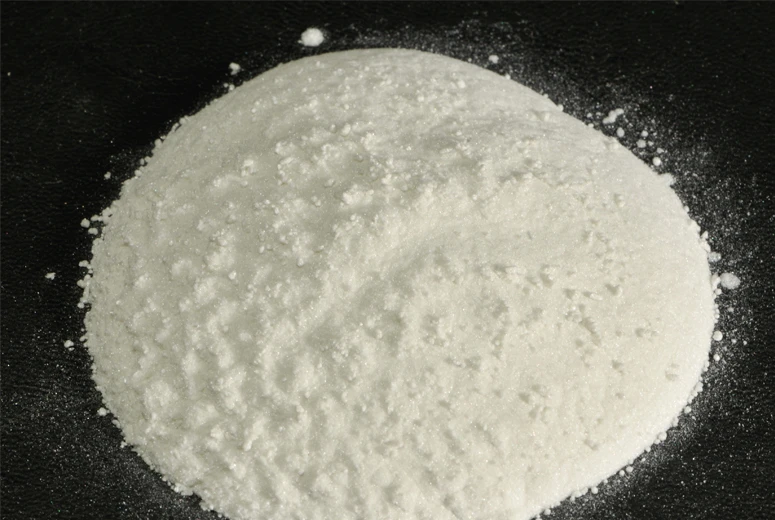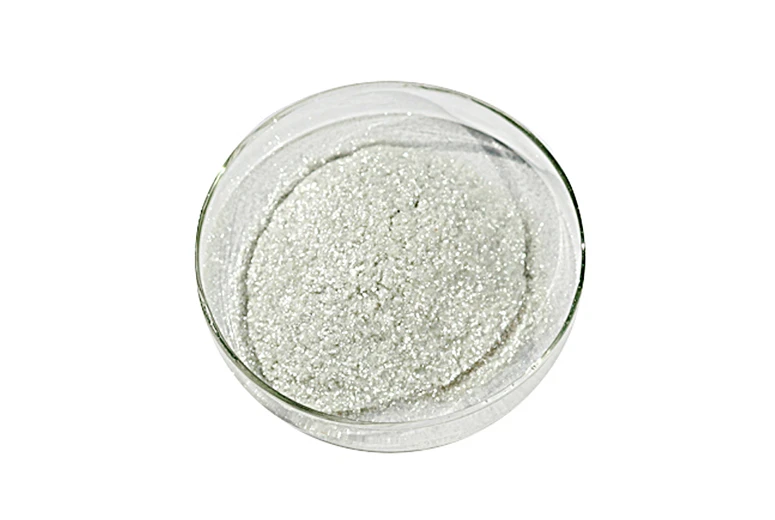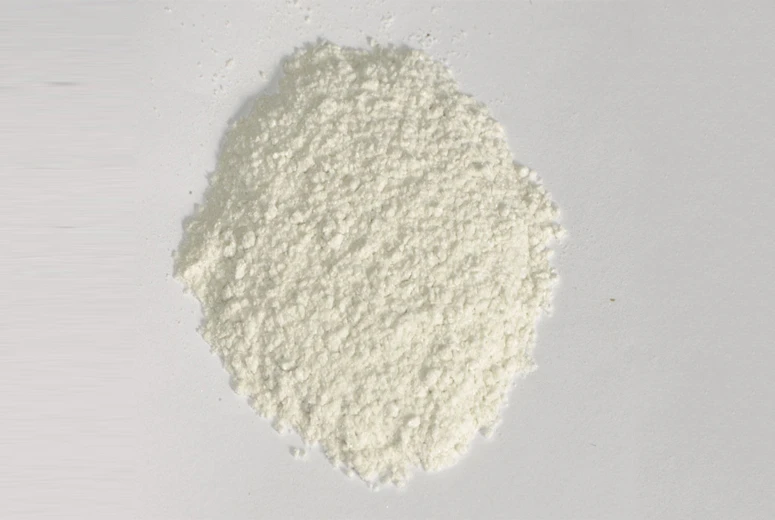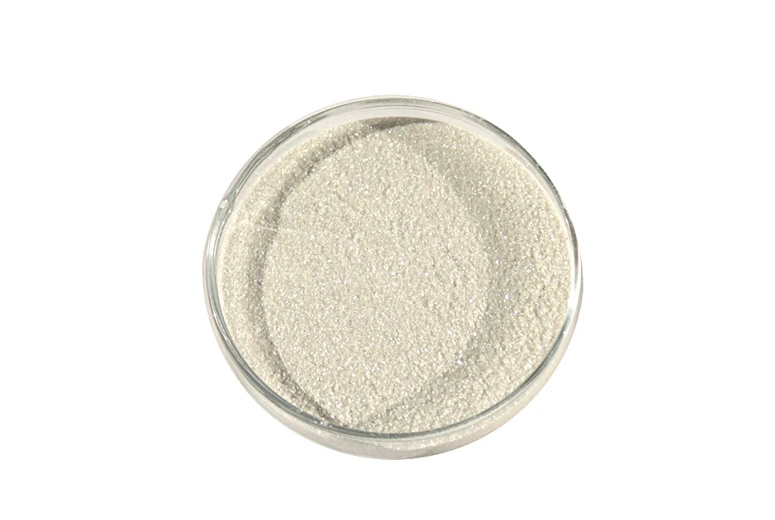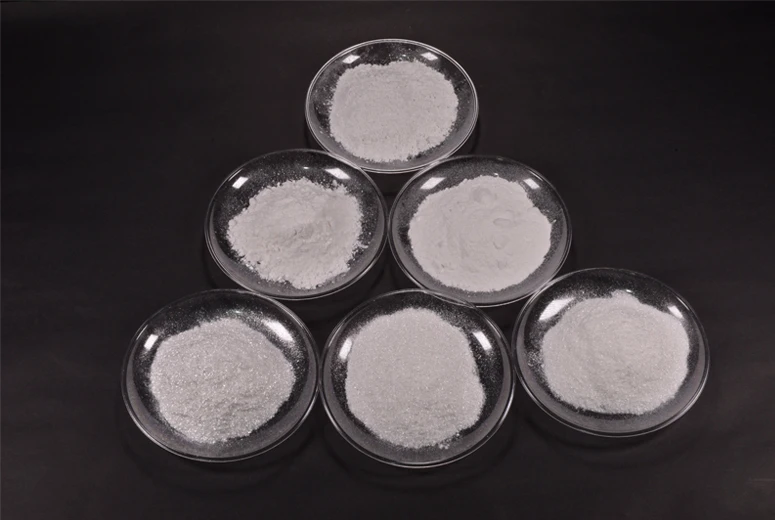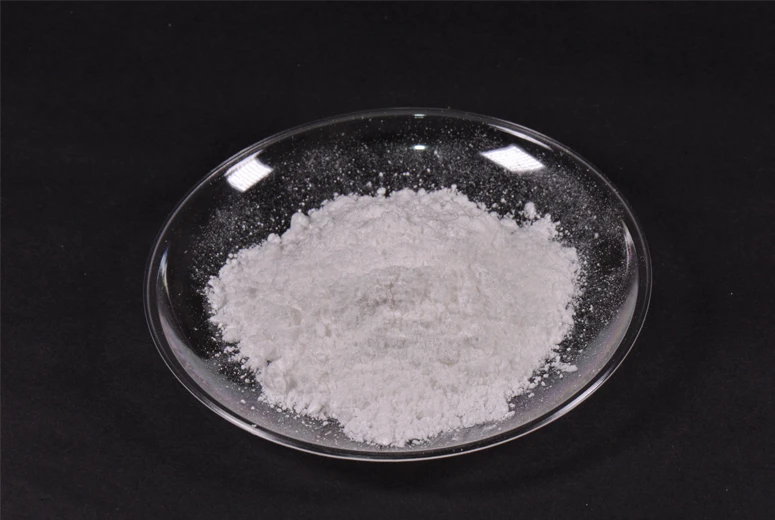

Pure White Mica Powder for Resin, Food Safe & More
Understanding White Mica Powder: A Strategic Material for Industrial Excellence
In the realm of advanced industrial materials, white mica powder stands out as a versatile and indispensable mineral. Derived predominantly from muscovite, its unique laminar structure, high aspect ratio, and exceptional thermal, electrical, and chemical properties make it critical across numerous high-performance applications. This comprehensive guide delves into the technical intricacies, market dynamics, and strategic advantages of leveraging this essential material for B2B stakeholders.
Our focus is on the sophisticated processing and application of high-quality muscovite powder, exemplified by products like the W-200, which is engineered to meet stringent industrial demands. Understanding its complete lifecycle, from quarry to final application, is key to optimizing its potential in your operations.
Current Industry Trends and Market Dynamics for Mica Powders
The global market for white mica powder is experiencing steady growth, driven by increasing demand in end-use industries such as coatings, plastics, electronics, and cosmetics. Analysts project the global mica market to reach USD 750 million by 2027, with a compound annual growth rate (CAGR) of approximately 4.5% from 2022. This expansion is largely attributed to the material's superior insulating properties, chemical inertness, and high thermal stability, which are increasingly sought after in advanced manufacturing.
Key trends include a heightened focus on finer particle sizes and higher aspect ratios for enhanced performance in thin-film applications and composite materials. There's also a growing emphasis on ethically sourced and environmentally responsible production practices, influencing supplier selection. The demand for specialized grades, such as white mica powder for resin applications, which offers improved mechanical strength and dimensional stability, is particularly robust in the automotive and construction sectors. Furthermore, the burgeoning electric vehicle (EV) market is boosting demand for mica as a critical dielectric material in battery components and insulation.
Detailed Manufacturing Process of High-Quality Mica Powder
The production of industrial-grade mica powder white is a multi-stage, precision-controlled process designed to preserve the unique laminar structure and purity of the raw muscovite mineral. This ensures optimal performance in demanding applications.
Process Flow Overview:
- Raw Material Sourcing: High-grade muscovite mica flakes are meticulously sourced from reputable mines, ensuring minimal impurities and consistent mineralogical composition.
- Crushing & Pre-sorting: Large mica flakes undergo primary crushing to reduce size, followed by manual or automated sorting to remove non-mica contaminants such as quartz, feldspar, and garnet.
- Dry Grinding (Micronization): The sorted mica is fed into specialized grinding mills (e.g., hammer mills, roller mills, jet mills). This dry process maintains the flake integrity and aspect ratio, crucial for its functional properties. Modern mills are calibrated for precise particle size distribution.
- Wet Grinding (Optional for Finer Grades): For ultra-fine grades, a wet grinding process might be employed, often involving ball mills or attritors. This method yields smoother particles and can further enhance aspect ratio.
- Classification & Sieving: Post-grinding, the mica powder is subjected to air classification or mechanical sieving to achieve the desired particle size distribution (PSD). Multi-deck sifters and cyclones are used to separate different mesh sizes, adhering to strict industrial standards.
- Washing & Purification (Optional): Depending on the required purity, especially for food-safe or cosmetic grades, the powder may undergo washing cycles to remove surface impurities and soluble salts, followed by drying.
- Drying: The purified mica powder is carefully dried in controlled environments to remove moisture, preventing agglomeration and ensuring stability. Rotary dryers or flash dryers are common.
- Quality Control & Testing: Throughout the entire process, rigorous testing is conducted. This includes particle size analysis (e.g., laser diffraction), aspect ratio measurement, bulk density, specific gravity, brightness (whiteness), and chemical composition analysis (e.g., XRF, XRD). Adherence to standards like ISO 1248-2 (for pigments) or specific ASTM standards for electrical insulation is paramount.
- Packaging: The final product is packaged in moisture-proof bags or containers, ready for dispatch.
This meticulous process ensures that each batch of mica powder, such as the W-200 Muscovite Powder, consistently meets the exacting specifications required for its target applications. The service life of products incorporating such high-quality mica is significantly extended due to the material's inherent stability and protective properties.
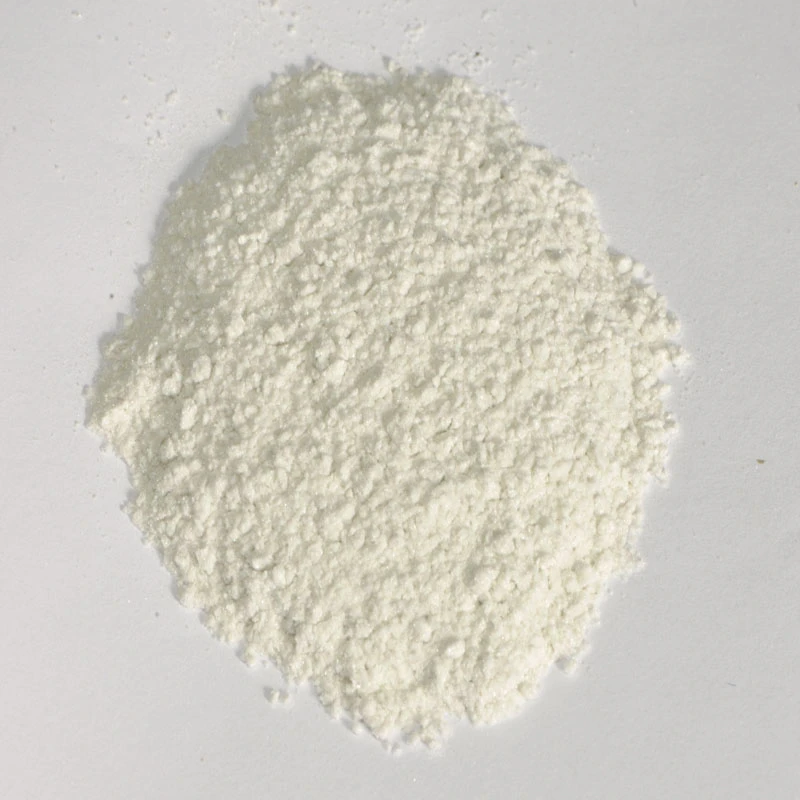
Technical Specifications: W-200 Muscovite Powder
The W-200 Muscovite Powder exemplifies a premium grade of white mica powder designed for applications demanding exceptional purity, high aspect ratio, and precise particle size. Its inherent properties provide significant technical advantages across various industrial sectors.
Key Product Specifications:
| Parameter | Value (W-200 Muscovite Powder) | Testing Standard |
|---|---|---|
| Chemical Formula | KAl2(AlSi3O10)(OH)2 | ASTM E1612 |
| Average Particle Size (D50) | 200 Mesh (74 microns) | ISO 13320 |
| Specific Gravity | 2.7-2.9 g/cm³ | ASTM D153 |
| Mohs Hardness | 2.8-3.2 | ASTM E10 |
| Brightness (L* value) | > 85 | ISO 2470 |
| Moisture Content | < 0.5% | ASTM D280 |
| Loss on Ignition (LOI) | 4-6% | ASTM D7348 |
| Thermal Stability | Stable up to 800°C | IEC 60243-1 |
| Dielectric Strength | > 20 kV/mm | IEC 60243-1 |
Advanced Properties and Technical Advantages
The unique lamellar structure and inherent chemical inertness of muscovite mica impart a suite of technical advantages that make it superior to many other fillers and extenders. These properties are particularly beneficial in industrial applications where durability, performance, and cost-efficiency are critical.
- Exceptional Barrier Properties: The high aspect ratio (plate-like) particles of mica create a tortuous path for gases and liquids, significantly improving the barrier properties of coatings and films. This results in enhanced corrosion resistance in paints for petrochemical and metallurgy industries, and superior moisture resistance in packaging.
- Thermal Stability & Insulation: Muscovite mica can withstand high temperatures (up to 800°C) without degradation, making it an ideal filler for heat-resistant plastics and fire-retardant coatings. Its excellent thermal insulation properties contribute to energy saving in various applications, from construction materials to industrial insulation.
- Electrical Insulation: Mica boasts superior dielectric strength and low dielectric loss, making it an indispensable material in the electronics industry for insulators, capacitors, and cable compounds. This prevents electrical breakdown and ensures reliable performance.
- Reinforcement & Dimensional Stability: When incorporated into polymers, mica flakes act as a reinforcing agent, improving tensile strength, flexural modulus, and dimensional stability, especially at elevated temperatures. This is vital in automotive parts and structural composites.
- Chemical Inertness: Mica is highly resistant to most chemical reagents, acids, alkalis, and UV radiation, ensuring long service life and stability in harsh industrial environments, including water supply & drainage systems where it can protect pipe linings.
- Sound Damping: The lamellar structure also contributes to sound damping, making mica a valuable additive in noise reduction compounds for the automotive and construction sectors.
Application Scenarios and Target Industries
The versatility of white mica powder for resin and other formulations allows it to serve a diverse range of critical industries, providing specific functional benefits tailored to each sector's unique demands.
Key Application Areas:
- Paints & Coatings: Used as a functional extender, mica improves film integrity, acts as a barrier to moisture and oxygen, enhances scrub resistance, and provides UV protection. This is particularly beneficial for protective coatings in the petrochemical and metallurgy industries, where corrosion resistance is paramount.
- Plastics & Rubber: Mica reinforces polymers, improving stiffness, tensile strength, and heat distortion temperature. It minimizes warpage and shrinkage in molded parts. Critical for automotive components, electrical housings, and engineering plastics.
- Electronics & Electrical Insulation: Essential in insulating materials for cables, capacitors, PCBs, and high-voltage applications due to its excellent dielectric properties and thermal stability.
- Construction Materials: Enhances fire resistance, dimensional stability, and crack resistance in drywall compounds, cementitious products, and roofing materials. Its reflective properties can also contribute to energy efficiency in roofing.
- Cosmetics & Personal Care: Utilized for its natural sheen, smooth feel, and ability to improve product texture and adherence. Specific grades are often deemed white mica powder food safe when manufactured to stringent purity standards, allowing for use in lipsticks, foundations, and other cosmetic products.
- Welding Electrodes: Acts as a flux ingredient, providing insulation and a protective atmosphere during welding.
- Drilling Muds: In the oil and gas industry, fine mica powder is added to drilling fluids to act as a lost circulation material, sealing porous formations and preventing fluid loss.
Vendor Comparison and Differentiation
Choosing the right supplier for white mica powder is crucial for ensuring product consistency and performance. Differentiation among vendors often hinges on several key factors beyond just price.
Factors for Vendor Comparison:
- Raw Material Quality & Sourcing: Top-tier vendors ensure a stable supply of high-purity muscovite, often from proprietary mines or long-term partnerships, minimizing variations.
- Processing Technology: Advanced grinding and classification technologies (e.g., air jet mills, sophisticated classifiers) allow for precise particle size distribution, higher aspect ratios, and lower impurity levels, critical for optimal performance.
- Quality Control & Certification: Reputable suppliers adhere to international standards like ISO 9001 for quality management and conduct rigorous batch testing. Certifications (e.g., REACH compliance, FDA approval for specific grades) provide additional assurance.
- Customization Capabilities: The ability to produce tailor-made grades (specific particle sizes, surface treatments, or whiteness levels) is a significant differentiator.
- Technical Support & R&D: Vendors offering robust technical support, application guidance, and continuous R&D demonstrate a commitment to customer success and innovation.
- Logistics & Supply Chain Reliability: Efficient global logistics and reliable supply chains minimize lead times and ensure consistent material flow.
Comparative Overview (Illustrative):
| Feature/Vendor | Leading Supplier (e.g., HJ Mica) | Competitor A (Generalist) | Competitor B (Niche) |
|---|---|---|---|
| Product Purity (SiO2, Fe2O3) | >45% SiO2, <1% Fe2O3 (High) | >40% SiO2, <2% Fe2O3 (Medium) | >42% SiO2, <1.5% Fe2O3 (Good) |
| Aspect Ratio (L:T) | > 50:1 (Excellent) | 30:1 - 40:1 (Standard) | 40:1 - 50:1 (Very Good) |
| Particle Size Consistency | Extremely tight distribution (D90 < 2xD50) | Good consistency (D90 < 3xD50) | Very good consistency (D90 < 2.5xD50) |
| Certifications | ISO 9001, REACH, specific grades FDA-compliant | ISO 9001 | ISO 9001, limited REACH |
| Customization Options | Full range (particle size, surface treatment, whiteness) | Limited (standard grades) | Moderate (some custom sizes) |
| Technical Support | Dedicated application engineers, R&D support | Basic product data sheets | Standard technical inquiries |
Customized Solutions and Collaborative Development
Recognizing that standard products do not always perfectly align with highly specialized industrial requirements, we offer extensive capabilities in developing customized mica powder white solutions. Our approach involves close collaboration with clients to understand their unique application challenges and performance objectives.
Our Customization Process:
- Needs Assessment: Detailed discussion with client engineers and product developers to define desired particle size distribution, aspect ratio, purity levels, surface treatments, and application-specific performance targets.
- Material Selection & Optimization: Leveraging our expertise in muscovite sourcing and processing, we select the optimal raw material and grinding parameters to achieve the specified characteristics.
- Surface Modification: For enhanced compatibility with various polymer matrices or improved dispersion, we can apply silane, titanate, or other coupling agents as surface treatments.
- Prototyping & Testing: Small-batch production of customized grades for client evaluation, followed by iterative testing and refinement based on performance feedback.
- Scale-Up & Quality Assurance: Seamless transition from pilot to commercial scale production, maintaining stringent quality control to ensure batch-to-batch consistency for the custom product.
This bespoke service ensures that our clients receive a mica product perfectly engineered for their specific process and end-use, leading to enhanced product performance, reduced material waste, and improved overall operational efficiency.
Application Case Studies & Customer Experience
Our commitment to quality and customer satisfaction is best demonstrated through real-world applications and the success of our clients. Below are illustrative examples of how our white mica powder food safe (where applicable) and industrial grades have delivered tangible benefits.
Case Study 1: Enhanced Corrosion Protection in Marine Coatings
A leading manufacturer of industrial coatings for offshore platforms faced challenges with premature corrosion in highly saline and abrasive environments. By incorporating our W-200 muscovite powder into their epoxy primer formulation at a 10% loading, they achieved a 40% improvement in salt spray resistance (ASTM B117) and a 25% increase in abrasion resistance compared to their previous formulation. The high aspect ratio mica created a more effective barrier layer, significantly extending the service life of their protective coatings.
— Project Lead, Major Industrial Coatings Manufacturer
Case Study 2: Improved Dimensional Stability in Automotive Composites
An automotive tier-1 supplier required a material to reduce warpage and improve the heat deflection temperature (HDT) of injection-molded polyamide components. Our fine-grade mica powder was integrated into their PA66 compound. The addition of mica led to a 15% increase in HDT and a remarkable 30% reduction in anisotropic shrinkage, ensuring tighter tolerances and improved part consistency for critical under-the-hood applications.
— R&D Director, Automotive Composites
Quality Assurance, Certifications, and Authoritative Standards
Our commitment to delivering superior mica powder white is underpinned by stringent quality assurance protocols and adherence to global authoritative standards. This ensures that every batch meets the highest benchmarks for purity, performance, and safety.
- ISO 9001:2015 Certified: Our manufacturing facilities and quality management systems are certified to ISO 9001:2015, ensuring consistent product quality and continuous process improvement.
- REACH Compliance: All our products are compliant with the European Union's REACH (Registration, Evaluation, Authorisation and Restriction of Chemicals) regulations, affirming our commitment to responsible chemical management.
- FDA Status: Specific grades of our mica powder are manufactured to meet the requirements for indirect food contact and are deemed safe for use in certain food packaging, cosmetic, and pharmaceutical applications, adhering to FDA guidelines (e.g., 21 CFR 175.300 for resins).
- Rigorous Batch Testing: Each production batch undergoes comprehensive testing for particle size distribution, whiteness, specific gravity, moisture content, and chemical purity using advanced analytical instruments.
- Ethical Sourcing: We maintain a transparent and ethical supply chain, ensuring that our raw materials are sourced responsibly and sustainably.
- Years of Service: With over two decades of specialized experience in mica processing and supply, our deep industry knowledge and established processes underscore our authority and reliability.
- Trusted Partner: Our extensive client portfolio includes leading manufacturers in the automotive, electronics, coatings, and plastics sectors, a testament to our consistent quality and service.
Frequently Asked Questions (FAQ)
- Q: What is the primary difference between wet-ground and dry-ground mica powder?
- A: Dry-ground mica is produced by hammer or roller mills, resulting in blocky, irregular particles with lower aspect ratios. Wet-ground mica, produced in ball mills, retains more of the natural plate-like structure, yielding higher aspect ratios, smoother surfaces, and brighter color, making it suitable for more demanding applications like coatings and cosmetics.
- Q: Is your white mica powder suitable for food contact applications?
- A: We offer specific grades of white mica powder that comply with FDA regulations for indirect food contact, primarily for use as a filler in packaging materials and certain composite resins. Please consult our technical data sheets for specific grade certifications.
- Q: What is the typical lead time for large orders?
- A: For standard grades and quantities, our lead time typically ranges from 2-4 weeks. For custom orders or very large volumes, lead times may extend to 6-8 weeks, depending on the complexity and current production schedule. We recommend contacting our sales team for precise fulfillment details.
- Q: What warranty do you offer on your mica products?
- A: We guarantee that all our mica products will meet the published specifications outlined in our technical data sheets and Certificates of Analysis (CoA) for a period of 12 months from the date of shipment, provided they are stored and handled appropriately. Any deviations will be addressed in accordance with our quality assurance policy.
- Q: How do you handle customer support and technical inquiries?
- A: Our dedicated customer support team and experienced technical engineers are available to assist with product selection, application guidance, and troubleshooting. You can reach us via phone, email, or through our website's contact form. We aim to respond to all inquiries within 24 business hours.
Conclusion
White mica powder, particularly high-grade muscovite, remains a cornerstone material for advanced industrial applications. Its unique combination of thermal, electrical, and mechanical properties, coupled with exceptional chemical resistance, offers unparalleled advantages in enhancing product performance and durability across diverse sectors, from robust industrial coatings to sensitive electronic components. By prioritizing meticulous manufacturing processes, stringent quality control, and client-centric customized solutions, we ensure that our mica products consistently deliver value and performance to B2B partners seeking to elevate their material specifications.
Our commitment extends beyond product supply; we aim to be a strategic partner, offering technical expertise and reliable support to optimize the integration of mica into your most challenging applications.
References
- MarketsandMarkets. "Mica Market - Global Forecast to 2027." Published [Date of publication, e.g., October 2022].
- British Geological Survey. "Mica." Mineral Profile, [Year of publication, e.g., 2012].
- ASTM International. Various standards related to mineral fillers and materials testing.
- ISO International Organization for Standardization. Relevant standards for quality management and material characterization.
- U.S. Food and Drug Administration. Code of Federal Regulations, Title 21 (21 CFR).
-
Ultimate Guide to Using High Quality Pearl Paint Pigment for LusterNewsApr.16,2026
-
Elevating Automotive Aesthetics with Mica Powder Car PaintNewsApr.09,2026
-
Unlock Stunning Effects with Mica Powder for Paint ApplicationsNewsApr.07,2026
-
Comprehensive Guide to Mica Dye Powder Applications and BenefitsNewsApr.04,2026
-
Unlocking the Brilliance of Mica Pigment Paint for Diverse ApplicationsNewsMar.31,2026
-
Enhancing Concrete Performance with Durable Mica Chips for Concrete ApplicationsNewsMar.28,2026