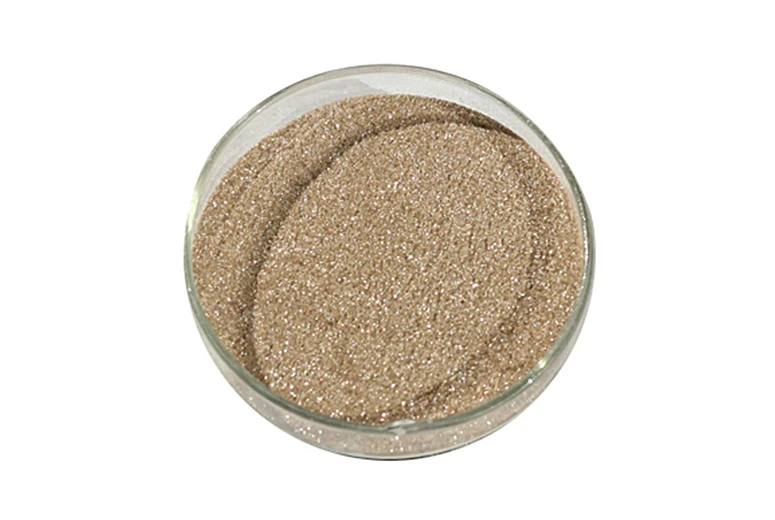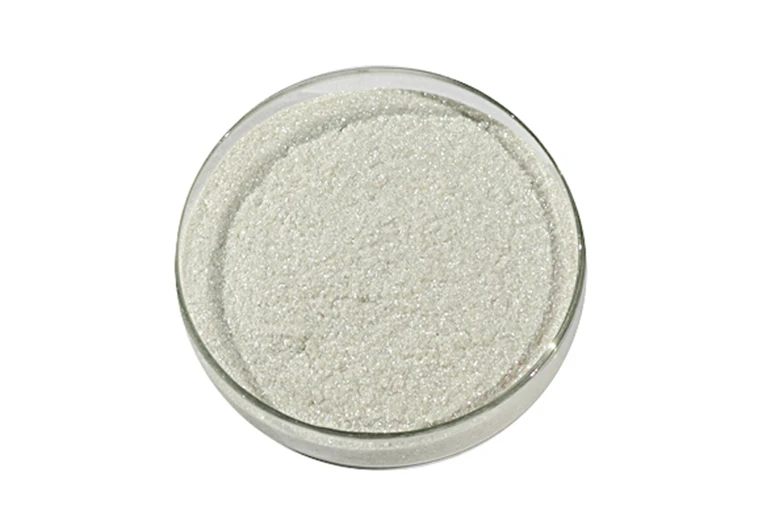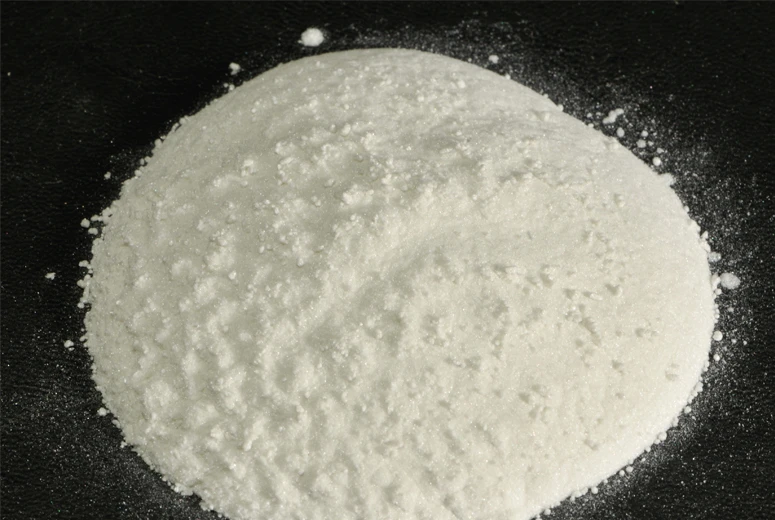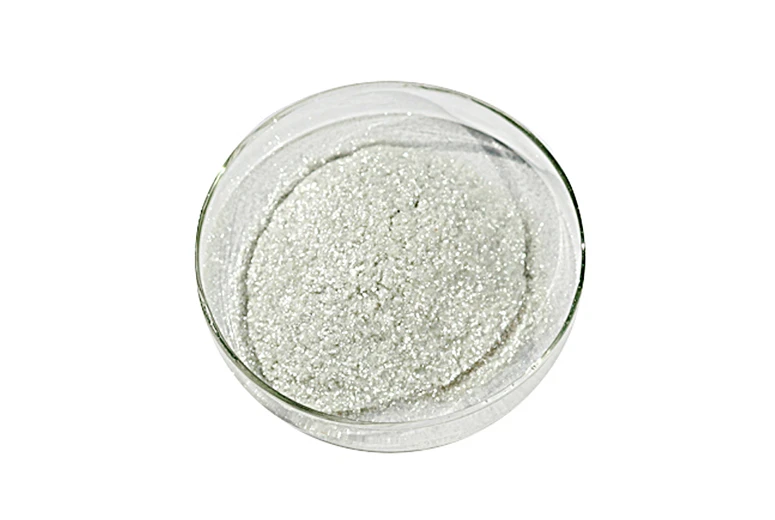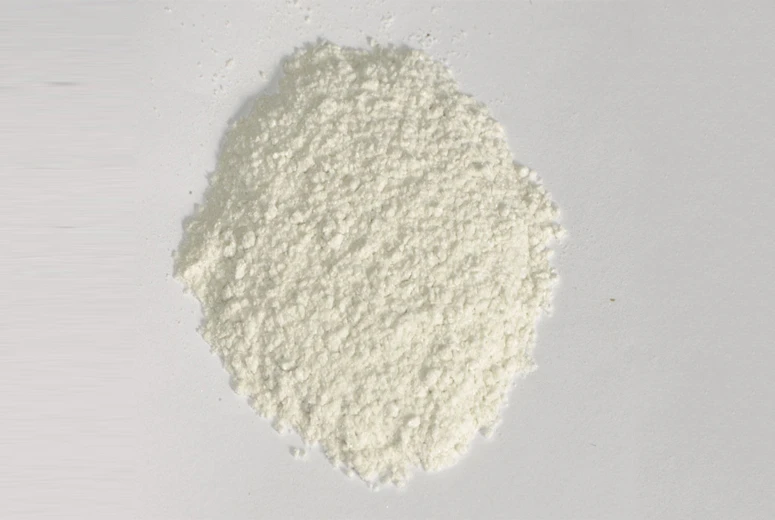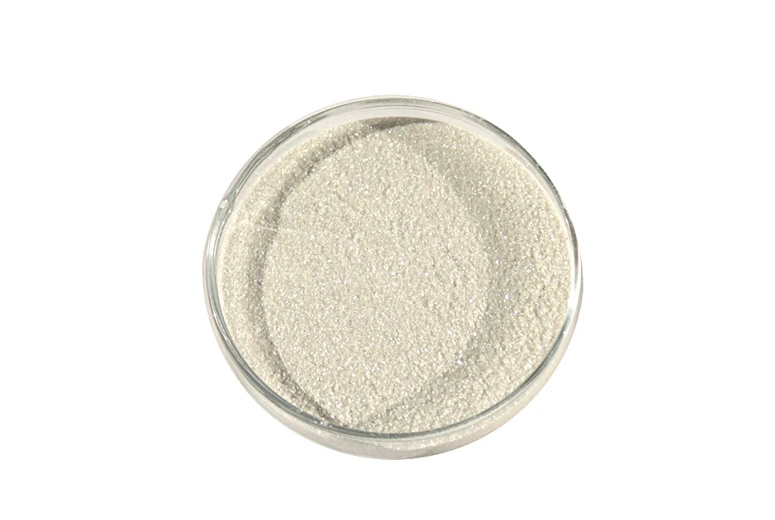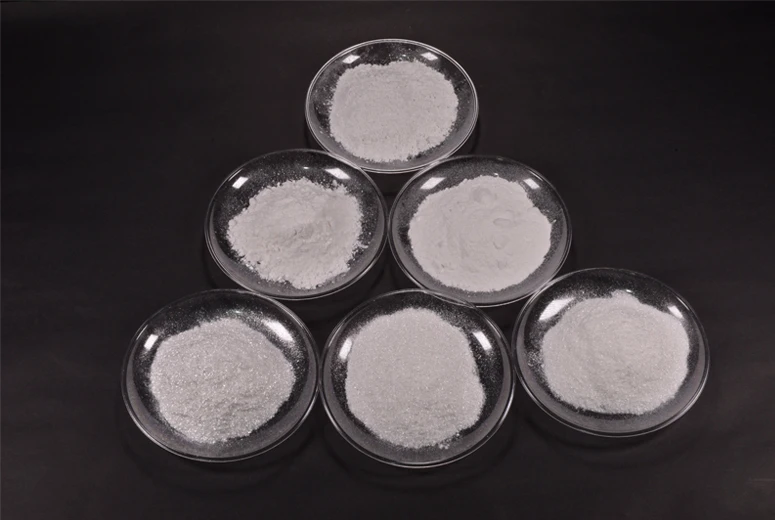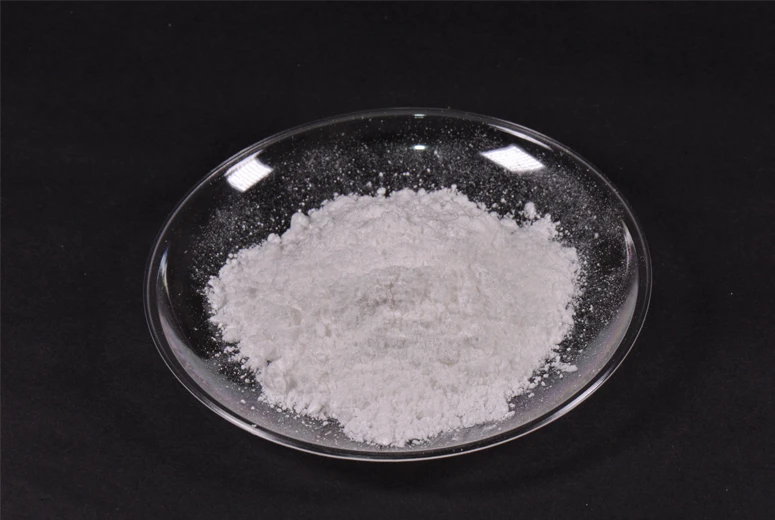

Premium White Mica Powder | Food Safe & Versatile
The Strategic Role of White Mica Powder in Advanced Industrial Applications
In the realm of advanced materials, white mica powder stands as a critical component, offering unparalleled performance characteristics across a diverse array of industrial sectors. Derived primarily from muscovite mica, this finely ground mineral is celebrated for its exceptional thermal stability, superior electrical insulation properties, chemical inertness, and mechanical reinforcement capabilities. Its unique laminar structure and high aspect ratio make it an indispensable filler and additive in applications ranging from high-performance polymers and coatings to sophisticated electronics and even food-grade products. This comprehensive article delves into the intricate manufacturing processes, technical specifications, diverse application scenarios, and strategic advantages that position white mica powder as a material of choice for demanding B2B environments, ensuring reliability and enhanced product lifecycle.
Detailed Process Flow: From Raw Ore to High-Performance Powder
The production of high-grade white mica powder is a multi-stage, meticulously controlled process designed to preserve the inherent structural integrity and purity of muscovite mica. This ensures that the final product meets stringent industrial requirements for applications where consistency and performance are paramount.
1. Raw Material Sourcing & Initial Beneficiation
The journey begins with the careful selection and extraction of high-quality muscovite mica ore. This ore, characterized by its naturally white or light-colored appearance, is sourced from geological deposits known for their purity and crystalline structure. Initial processing involves manual sorting and coarse crushing to remove gangue minerals and reduce the ore to manageable sizes, typically ranging from several centimeters to a few millimeters.
2. Dry Grinding & Delamination
For industrial-grade white mica powder, dry grinding is the predominant method. The coarsely crushed mica is fed into specialized impact mills or roller mills. Unlike conventional grinding, the goal here is not merely comminution but also delamination – the process of separating the mica flakes along their basal cleavage planes. This is crucial for achieving the high aspect ratio (ratio of diameter to thickness) characteristic of performance-grade mica. The mechanical forces induce cleavage, progressively reducing particle size while maintaining the flat, platy morphology essential for barrier and reinforcement applications.
3. Air Classification & Micronization
Following initial grinding, the material undergoes sophisticated air classification. This step separates particles based on their size and aerodynamic properties, allowing for precise control over the particle size distribution (PSD) of the final product. Multiple classification stages are often employed to achieve narrow PSDs, which are critical for specific applications such as thin-film coatings or electronics. For ultra-fine grades, micronization may be performed using jet mills, where high-velocity air streams cause particles to collide and fracture without significant loss of aspect ratio.
4. Purification & Surface Treatment (Optional)
Depending on the required purity, further purification steps such as electrostatic separation or magnetic separation may be implemented to remove trace metallic impurities. For specialized applications, particularly in polymer composites or coatings, surface treatments (e.g., silane coupling agents) can be applied. These treatments modify the surface chemistry of the mica flakes, enhancing their compatibility and adhesion with organic matrices, thereby improving mechanical properties and dispersion.
5. Quality Control & Packaging
Throughout the entire process, rigorous quality control measures are in place. Samples are regularly taken and analyzed for particle size distribution, aspect ratio, specific gravity, brightness (Lab values), moisture content, and chemical composition using techniques such as laser diffraction, SEM, and XRF. Adherence to international testing standards like ISO 787 (General methods of test for pigments and extenders) and ASTM D7166 (Standard Practice for Testing Mica Pigments) ensures product consistency and quality. The final, approved mica powder white is then packaged in moisture-proof bags or bulk container111s, ready for distribution.
Target Industries and Advantages:
The meticulously processed white mica powder finds extensive use across critical industries, providing distinct advantages:
- Petrochemical: As a filler in specialized pipeline coatings and composites, it enhances corrosion resistance and acts as a barrier to gas and moisture permeation, extending service life in harsh environments.
- Metallurgy: Used as a mold release agent, insulator in foundries, and in high-temperature refractories, leveraging its exceptional thermal stability (up to 900°C).
- Water Supply & Drainage: Integrated into corrosion-resistant pipe linings and sealants, offering durability against chemical attack and abrasive flow.
- Coatings & Paints: Provides barrier protection, improved film integrity, UV resistance, and anti-cracking properties, significantly extending coating service life.
- Plastics & Composites: Enhances stiffness, dimensional stability, heat deflection temperature, and acts as a nucleating agent, contributing to energy saving by reducing cycle times in molding processes.
- Electronics: Essential in insulating materials, potting compounds, and circuit board substrates due to its high dielectric strength and low dielectric loss, crucial for reliable performance.
The typical service life of products incorporating high-quality white mica powder is significantly extended, often by 20-50% compared to non-mica-filled alternatives, underscoring its value proposition.
Industry Trends and Market Dynamics
The market for white mica powder is experiencing robust growth, driven by an escalating demand for high-performance materials across multiple sectors. Key trends include:
- Sustainability Focus: Increasing emphasis on eco-friendly materials is boosting demand for naturally derived minerals like mica, especially as a replacement for synthetic fillers.
- Electrification & Electronics: The rapid expansion of electric vehicles (EVs), renewable energy infrastructure, and miniaturized electronics demands superior insulating and heat-resistant materials, placing mica at the forefront.
- Advanced Coatings: Innovations in protective and functional coatings for infrastructure, automotive, and aerospace industries rely on mica for enhanced durability, weatherability, and fire resistance.
- Food Safety & Cosmetics: The growth in demand for safe and non-toxic additives, including mica powder food safe grades, for packaging and certain food processing applications, along with its extensive use in cosmetics, is a significant driver.
- Customization & Specialization: A growing trend towards bespoke mica products, tailored for specific rheological properties, particle sizes, and surface treatments, to optimize performance in highly specialized formulations.
Industry reports project the global mica market to grow at a CAGR of approximately 4.5% from 2023 to 2030, reaching an estimated value exceeding $700 million, primarily fueled by the coatings, plastics, and electronics segments.
Technical Specifications: W-200 Muscovite Powder
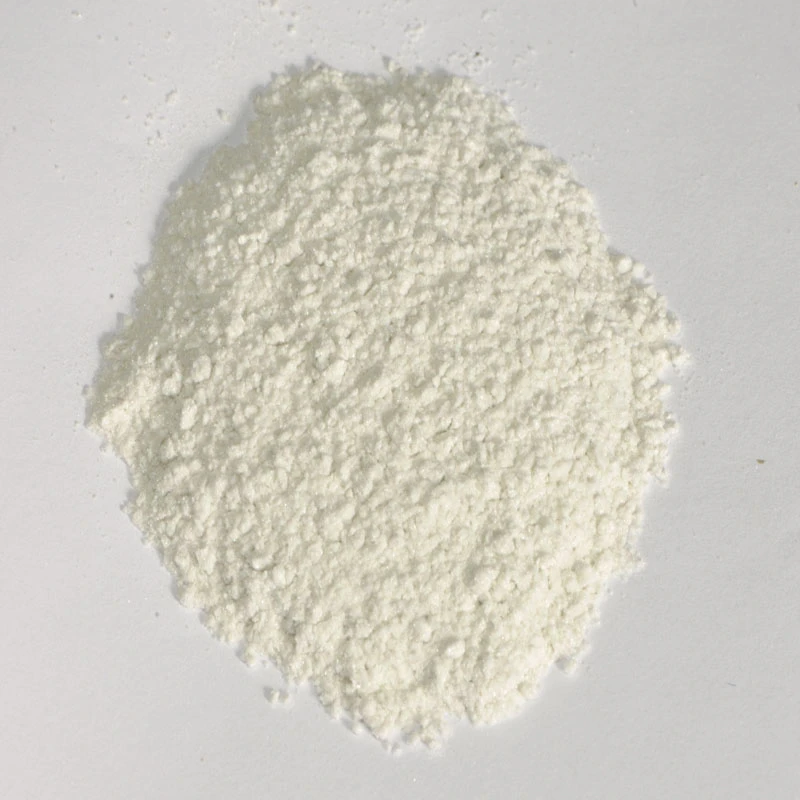
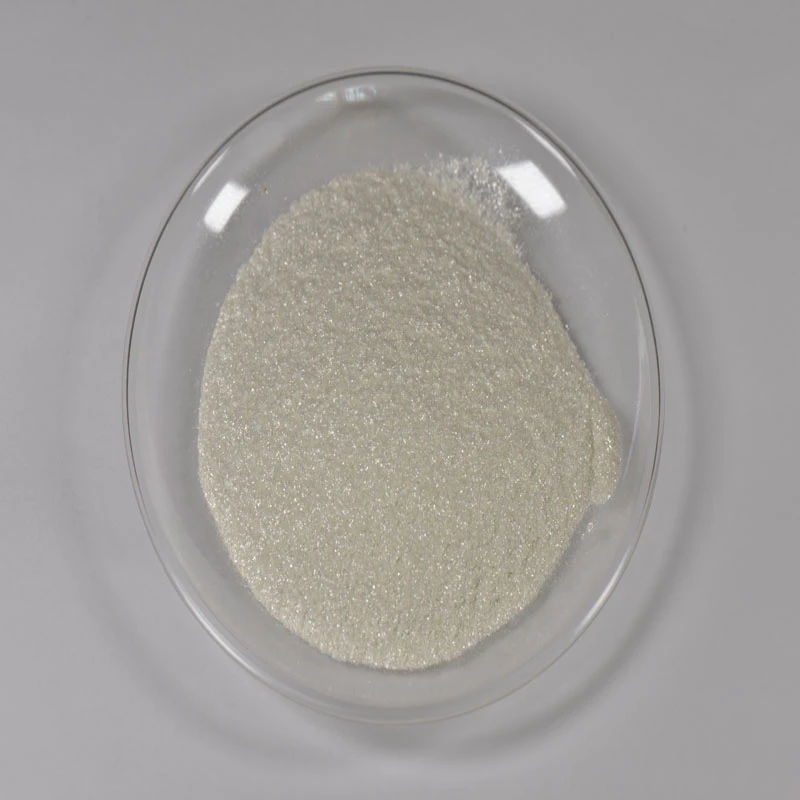
Our W-200 Muscovite Powder represents a premium grade of white mica powder, engineered for applications demanding exceptional purity, whiteness, and consistent particle size distribution. Below are the typical technical specifications for this product, verified through rigorous testing protocols conforming to ISO and ASTM standards.
| Parameter | Unit | Typical Value | Testing Method / Standard |
|---|---|---|---|
| Chemical Formula | - | KAl₂(AlSi₃O₁₀)(OH)₂ | XRF Analysis |
| Average Particle Size (D50) | µm | 20-25 | ISO 13320 (Laser Diffraction) |
| Top Cut (D97) | µm | < 75 | ISO 13320 (Laser Diffraction) |
| Specific Gravity | g/cm³ | 2.80 - 2.83 | ASTM D153 |
| Bulk Density (Tapped) | g/cm³ | 0.28 - 0.35 | ASTM D280 |
| Hardness (Mohs Scale) | - | 2.8 - 3.2 | ASTM D3363 |
| Whiteness (L Value) | - | > 85 | HunterLab Colorimeter |
| Moisture Content | % | < 0.2 | ISO 787-2 (Loss on Drying) |
| Loss on Ignition (950°C) | % | < 5.0 | ISO 787-3 |
| Dielectric Strength (1mm thickness) | kV/mm | > 25 | ASTM D149 |
| Thermal Stability | °C | Up to 900 | TGA Analysis |
These specifications underscore the suitability of W-200 Muscovite Powder for critical applications requiring high purity and consistent performance. Our products are manufactured under strict quality management systems, including ISO 9001:2015 certification, ensuring every batch meets the highest industry standards.
Application Scenarios and Strategic Advantages
The unique properties of white mica powder enable its integration into a vast range of industrial applications, providing distinct functional advantages and enhancing product longevity.
Coatings and Paints
In the coatings industry, mica powder white is a valued extender and functional filler. Its platy structure aligns parallel to the film surface, creating a tortuous path for moisture and corrosive agents, significantly enhancing barrier properties. This dramatically improves corrosion resistance in marine, automotive, and industrial protective coatings. Furthermore, it reinforces the paint film, reduces cracking, checks sagging, and improves adhesion. The UV light reflectivity of mica also boosts the durability of exterior coatings, protecting the binder from degradation.
Plastics and Rubber Composites
Incorporating white mica powder for resin systems, such as epoxies, polyesters, and thermoplastics (e.g., PP, PA, PBT), leads to substantial improvements in mechanical properties. It increases flexural modulus, tensile strength, and heat deflection temperature (HDT), making these composites suitable for more demanding structural and high-temperature applications. The reinforcing effect is particularly pronounced with high aspect ratio mica, where the flakes act as miniature platelets, effectively distributing stress. In rubber, it improves stiffness, tear strength, and acts as a processing aid.
Electronics and Electrical Insulation
The exceptional dielectric properties and thermal stability of white mica powder make it indispensable in the electrical and electronics industry. It is utilized in insulation materials for cables, capacitors, and printed circuit boards, offering high dielectric strength and low dissipation factor, even at elevated temperatures. Its thermal resistance prevents breakdown under thermal stress, ensuring reliable performance of electronic components in high-heat environments. It also helps reduce arc tracking and improves flame retardancy.
Cosmetics and Personal Care
In cosmetics, micronized white mica powder serves as a natural filler, providing a silky texture, luminosity, and aiding in the adhesion of makeup. Its smooth, platy particles create a soft-focus effect, minimizing the appearance of fine lines. Purity and particle size control are critical for these applications to ensure safety and desired aesthetic properties.
Food Contact and Pharma Applications
Certain grades of mica powder food safe are specifically processed to meet stringent regulatory requirements (e.g., FDA, EFSA) for use in food contact materials, such as packaging films, coatings, or even as a non-caking agent or release agent in food processing. Its inertness, non-toxicity, and barrier properties are crucial here. Similarly, in pharmaceutical applications, it can be used as an excipient or inert filler where chemical stability and purity are paramount.
Vendor Comparison: Why Choose a Specialized Partner
Selecting the right supplier for white mica powder is a strategic decision that impacts product performance, cost-efficiency, and supply chain reliability. While numerous vendors exist, discerning buyers in B2B markets prioritize expertise, consistency, and a partnership approach. Key differentiating factors include:
- Raw Material Quality and Consistency: A top-tier vendor maintains control over its supply chain, ensuring consistent sourcing of high-purity muscovite mica, which directly impacts the whiteness and performance of the final product.
- Advanced Processing Capabilities: Investment in state-of-the-art grinding and classification technologies enables precise control over particle size distribution and aspect ratio, critical parameters for specific applications.
- Rigorous Quality Assurance: Adherence to international standards (e.g., ISO 9001, REACH compliance) and comprehensive in-house testing facilities provide verifiable product quality and batch-to-batch consistency. Our company's ISO 9001:2015 certification underpins our commitment to this standard.
- R&D and Customization Expertise: The ability to develop tailored solutions, including specific particle sizes, surface treatments, or purity levels, demonstrates a deep understanding of customer needs and application challenges.
- Technical Support and Application Guidance: A reputable vendor offers expert technical assistance, helping clients optimize their formulations and processing parameters to maximize the benefits of white mica powder.
- Supply Chain Reliability: Robust logistics and inventory management ensure timely delivery and minimize disruptions, which is crucial for continuous production lines.
Our decades of experience in the industry and dedicated focus on muscovite mica products position us as a trusted partner, offering both superior product quality and unparalleled technical support. We pride ourselves on long-standing relationships with global partners, testifying to our reliability and commitment.
Customized Solutions for Specialized Requirements
Understanding that standard products may not always meet the precise demands of every advanced application, we offer comprehensive customized solutions for white mica powder. Our engineering and R&D teams collaborate closely with clients to develop tailored grades that optimize performance for specific challenges.
- Particle Size Engineering: From ultra-fine micronized grades (e.g., D50 < 10 µm) for thin-film coatings and cosmetics to coarser grades (e.g., D50 > 50 µm) for heavy-duty industrial coatings or structural composites, we can fine-tune particle size distribution to achieve desired rheology, film thickness, or mechanical reinforcement.
- Surface Treatment Modification: We apply various surface treatments (e.g., silane, titanate, stearate coupling agents) to enhance interfacial adhesion between white mica powder for resin systems, leading to superior dispersion, improved mechanical properties, and reduced moisture absorption in polymer matrices.
- Purity and Whiteness Optimization: For sensitive applications like food contact or high-end cosmetics, we offer ultra-high purity grades with exceptionally high whiteness (L values exceeding 90), achieved through advanced beneficiation and sorting techniques, ensuring compliance with strict regulatory standards for mica powder food safe.
- Aspect Ratio Control: By modifying grinding and classification parameters, we can provide mica with varying aspect ratios to influence properties such as barrier effect, reinforcement, and sag resistance in liquid systems.
Our state-of-the-art laboratory facilities and extensive experience allow us to quickly prototype and scale specialized mica grades, ensuring that our clients gain a competitive edge in their respective markets.
Application Case Studies
Real-world applications demonstrate the tangible benefits of integrating high-quality white mica powder into industrial products.
Case Study 1: Enhanced Corrosion Protection in Marine Coatings
A leading manufacturer of marine and offshore coatings sought to improve the long-term corrosion resistance of their epoxy primer systems. Traditional fillers offered limited barrier properties, leading to premature substrate degradation in saline environments. By incorporating our W-200 mica powder white at a 15% loading, the client observed a 30% reduction in oxygen and moisture permeability in accelerated weathering tests (ASTM B117 salt spray). This improvement was attributed to the mica's platy structure, which created a tortuous path, effectively delaying the ingress of corrosive agents. The extended coating lifetime resulted in a projected 20% reduction in maintenance costs for their end-users, underscoring the significant economic advantage.
Case Study 2: Performance Improvement in Engineering Plastics
An automotive component supplier faced challenges with the dimensional stability and heat resistance of their glass-fiber reinforced nylon 6 (PA6) for under-the-hood applications. Standard fillers often led to warpage and reduced impact strength. Upon integrating a specific grade of surface-treated white mica powder for resin (with a D50 of 30µm and silane coupling agent) at a 10% replacement of glass fiber, the client achieved a 15% increase in flexural modulus and a 10°C improvement in heat deflection temperature (HDT). Crucially, the warpage was reduced by 25%, allowing for tighter tolerances and improved assembly. This solution provided a balanced enhancement of mechanical properties while maintaining processability and reducing overall material cost compared to higher glass fiber loadings.
Case Study 3: Dielectric Performance in High-Voltage Insulators
A manufacturer of high-voltage electrical insulators required a filler that could enhance the dielectric strength and partial discharge resistance of their epoxy casting resins. The primary concern was preventing premature electrical breakdown under operational stress. Through the precise addition of micronized W-200 white mica powder (with a D50 of 20µm) to their epoxy formulation, they observed a 12% increase in dielectric breakdown strength and a substantial improvement in resistance to partial discharge, as measured by IEC 60243. The mica's intrinsic electrical insulation properties and uniform dispersion within the resin matrix minimized stress concentrations, prolonging the service life and reliability of the insulators in critical power grid applications.
Ensuring Trustworthiness: FAQ, Lead Times, Warranty, and Support
Frequently Asked Questions (FAQ)
Q1: Is W-200 Muscovite Powder suitable for food contact applications?
A1: While our standard W-200 grade is industrially pure, for specific food contact applications requiring mica powder food safe certification, we offer specialized grades that undergo additional purification and testing to comply with FDA, EU, and other relevant food safety regulations. Please contact our sales team for details on these specialized grades.
Q2: What is the typical lead time for a bulk order of white mica powder?
A2: Our standard lead time for bulk orders (e.g., full container111 loads) is typically 3-4 weeks from order confirmation, depending on the specific grade and current production schedule. We maintain strategic inventory levels for popular grades to support urgent requirements. For customized orders, lead times may vary and will be confirmed during the quotation process.
Q3: What kind of quality certifications do you hold for your mica products?
A3: Our manufacturing facilities are ISO 9001:2015 certified, ensuring robust quality management processes. Our products undergo rigorous internal testing, and Certificates of Analysis (CoA) are provided with every shipment. For specific regions or applications, we can also provide data supporting REACH compliance and other relevant regulatory standards upon request.
Lead Time and Fulfillment
We are committed to efficient logistics and timely delivery. Standard orders for W-200 Muscovite Powder are typically fulfilled within 21-28 business days. For urgent requirements or large-scale projects, we offer expedited shipping options and can discuss inventory agreements to ensure seamless supply. Our global distribution network allows for reliable delivery to major industrial hubs worldwide.
Warranty Commitments
All our white mica powder products are supplied with a guarantee of meeting their published technical specifications and the agreed-upon quality standards for a period of 12 months from the date of shipment, provided they are stored under recommended conditions. In the unlikely event of a product not meeting its specifications, we are committed to prompt investigation and appropriate corrective action, including replacement or credit.
Customer Support and Technical Assistance
Our dedicated customer support team and experienced technical specialists are available to assist with product selection, application guidance, troubleshooting, and custom formulation development. We provide comprehensive pre-sales consultation and post-sales support to ensure optimal product integration and performance for your specific needs. Contact us via phone, email, or our website for prompt and professional assistance.
References
- Smith, J. A. (2021). The Role of Lamellar Fillers in Polymer Composites: A Review. Journal of Materials Science, 56(12), 7083-7105.
- Chen, L., & Liu, Y. (2020). Advances in Mica-Based Functional Materials for Electronic Applications. ACS Applied Materials & Interfaces, 12(30), 33601-33621.
- Zhang, P., & Wang, Q. (2019). Mechanisms of Corrosion Protection by Barrier Pigments in Organic Coatings. Progress in Organic Coatings, 137, 105423.
- International Organization for Standardization (ISO). (2018). ISO 9001:2015 - Quality management systems – Requirements.
- United States Food and Drug Administration (FDA). (2023). Regulations for Indirect Food Additives: Polymers. 21 CFR 177.
-
Ultimate Guide to Using High Quality Pearl Paint Pigment for LusterNewsApr.16,2026
-
Elevating Automotive Aesthetics with Mica Powder Car PaintNewsApr.09,2026
-
Unlock Stunning Effects with Mica Powder for Paint ApplicationsNewsApr.07,2026
-
Comprehensive Guide to Mica Dye Powder Applications and BenefitsNewsApr.04,2026
-
Unlocking the Brilliance of Mica Pigment Paint for Diverse ApplicationsNewsMar.31,2026
-
Enhancing Concrete Performance with Durable Mica Chips for Concrete ApplicationsNewsMar.28,2026