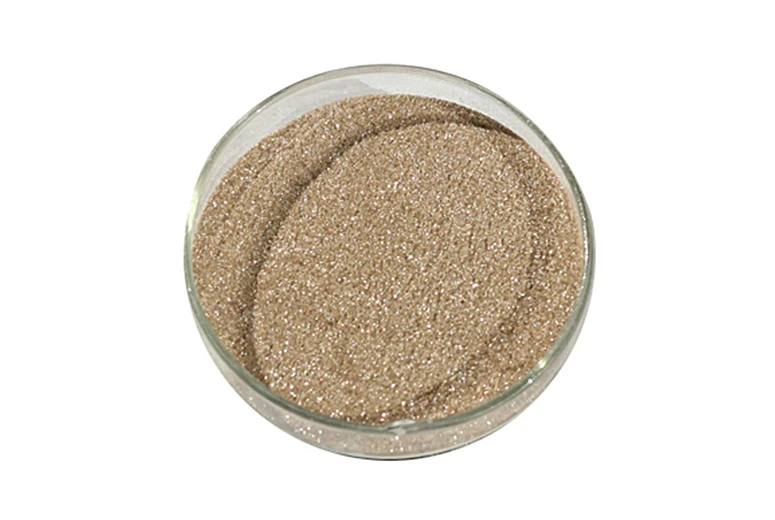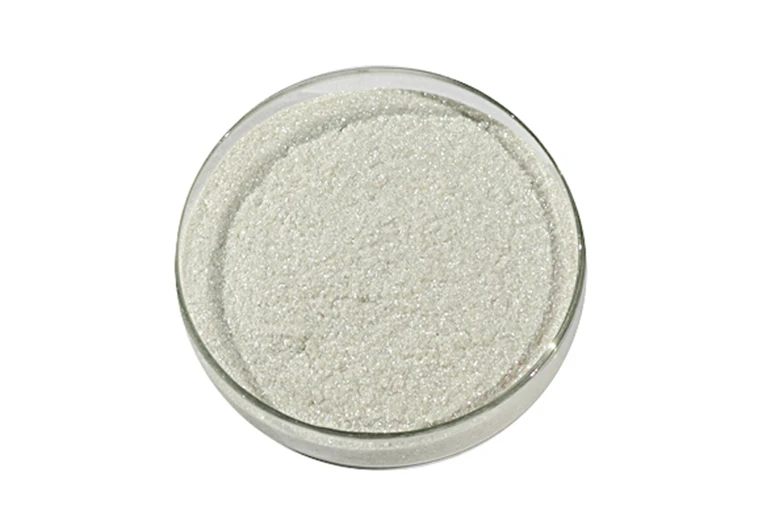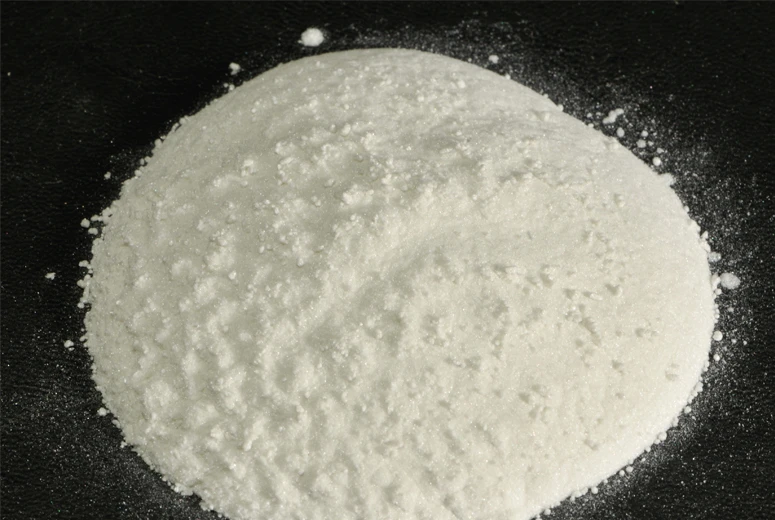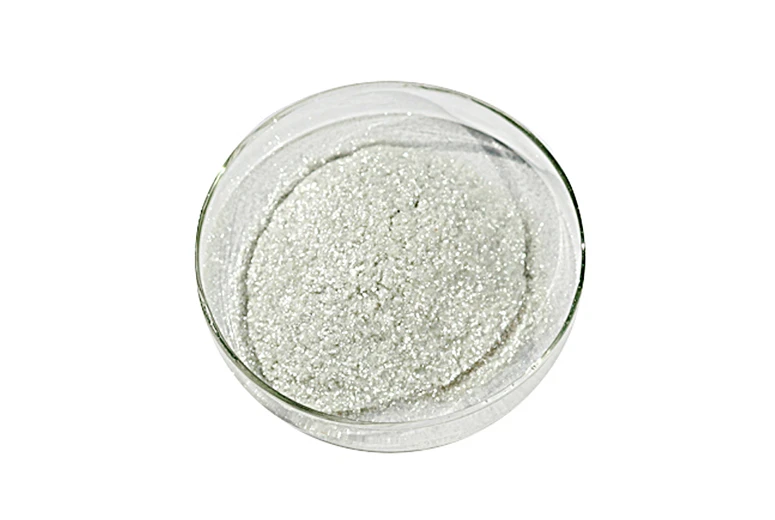

Premium 10-60μm Synthetic Mica Powder for High Performance
Introduction to 10-60μm Synthetic Mica Powder and Industry Trends
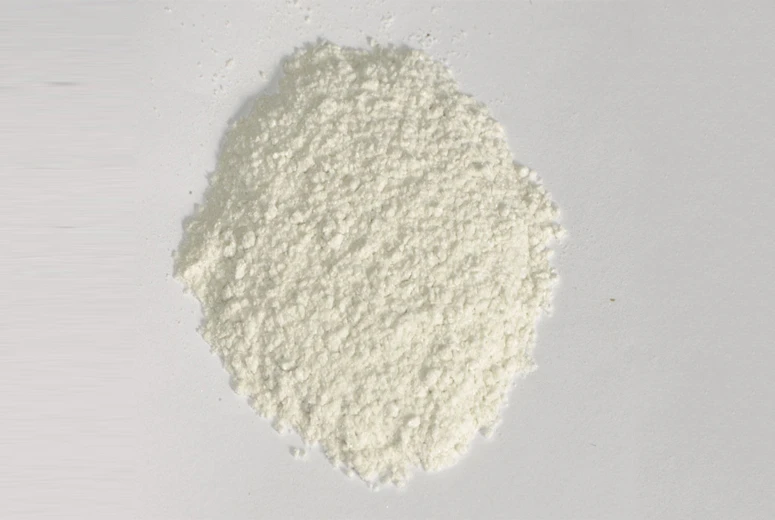
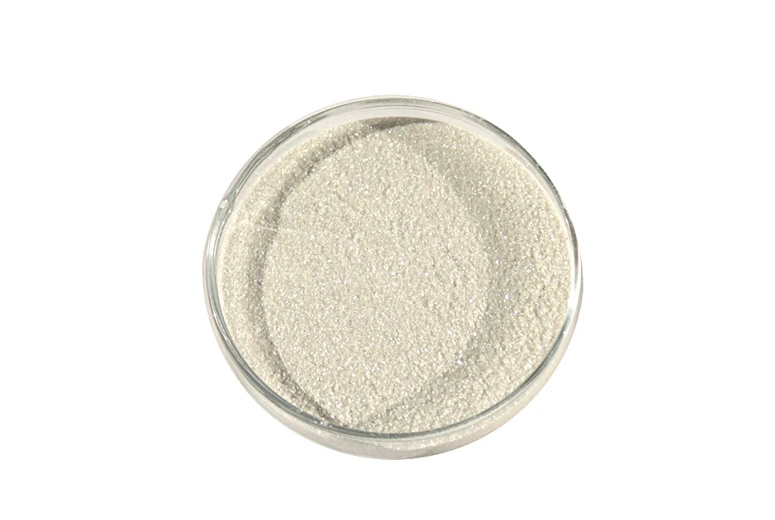
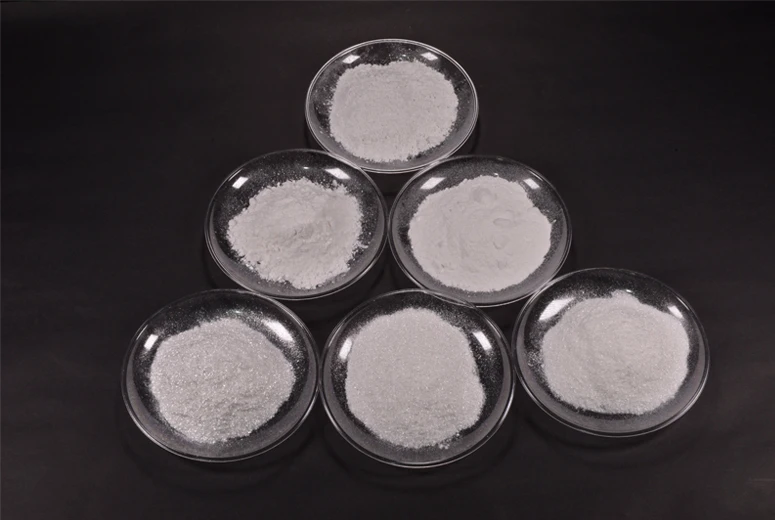
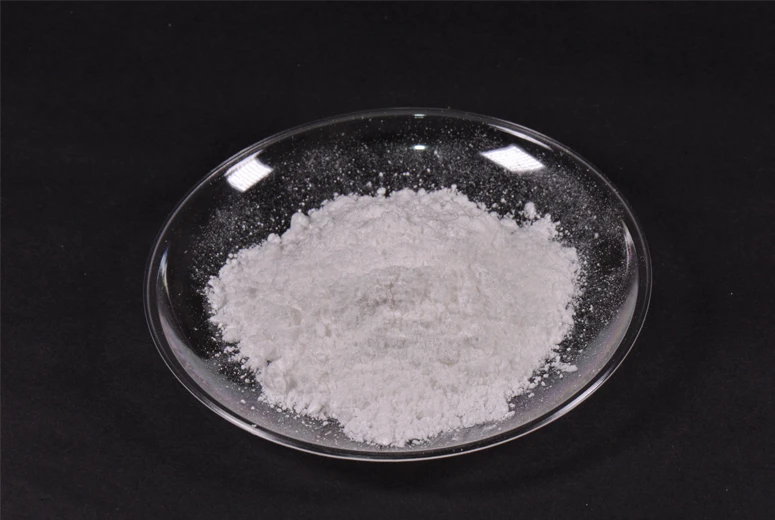
Synthetic mica powder, an advanced material engineered to replicate and often surpass the properties of natural mica, is increasingly vital across high-tech industries. Specifically, 10-60μm Synthetic Mica Powder offers a precisely controlled particle size distribution, which is critical for applications demanding exceptional uniformity and performance consistency. This engineered material is synthesized under stringent conditions, ensuring superior purity, thermal stability, electrical insulation, and chemical resistance compared to its natural counterparts.
Current industry trends indicate a significant surge in demand for high-performance fillers and functional additives. Sectors such as advanced electronics, automotive, aerospace, and high-performance coatings are increasingly adopting synthetic mica due to its superior dielectric strength, high aspect ratio, and resistance to high temperatures and corrosive environments. The market is driven by miniaturization in electronics, the need for enhanced durability in automotive components, and the growing requirement for sustainable, non-toxic materials. The controlled particle size of 10-60μm is particularly sought after for optimizing film formation, mechanical strength, and aesthetic qualities in various end products.
Comprehensive Manufacturing Process of 10-60μm Synthetic Mica Powder
The production of 10-60μm Synthetic Mica Powder is a sophisticated multi-stage process, meticulously controlled to achieve its characteristic purity, uniformity, and performance. This process leverages advanced material science and engineering principles to ensure a superior product.
Process Flow:
- Raw Material Preparation: High-purity raw materials such as silica (SiO₂), alumina (Al₂O₃), potassium carbonate (K₂CO₃), magnesium oxide (MgO), and fluorides (e.g., K₂SiF₆, MgF₂) are precisely weighed and blended. These components are chosen for their ability to form a layered silicate structure similar to natural mica, but with enhanced properties.
- High-Temperature Fusion: The blended raw materials are loaded into a high-temperature crucible and melted at temperatures typically ranging from 1400°C to 1500°C. This fusion process ensures a homogenous melt, essential for consistent crystal growth.
- Controlled Crystallization: The molten material is then cooled under precisely controlled conditions. This slow and controlled cooling phase promotes the formation of large, uniform synthetic mica crystals. The crystallization parameters, including cooling rate and atmosphere, are critical for achieving the desired lamellar (plate-like) morphology and crystal size.
- Grinding and Milling: The crystallized synthetic mica is then subjected to a multi-stage grinding and milling process. This involves initial crushing, followed by fine grinding using advanced pulverization equipment to break down the crystals into smaller particles.
- Precision Classification: A sophisticated air classification system is employed to separate the ground mica particles into precise size fractions. This critical step ensures that the final product adheres strictly to the 10-60μm particle size specification, removing both larger agglomerates and finer dust. Multiple passes through classifiers ensure tight control over the particle size distribution (PSD).
- Surface Treatment (Optional): Depending on the specific application requirements, the synthetic mica powder may undergo surface treatment. This could involve coating with silanes or other coupling agents to improve dispersion, adhesion, and compatibility with various polymer matrices or resins.
- Quality Control and Testing: Throughout the entire manufacturing process, rigorous quality control measures are implemented. Final products are tested against international standards such as ISO 9001 for quality management, and specific material standards like ASTM E20 for particle size analysis, ASTM D149 for dielectric strength, and ISO 11357 for thermal properties. This ensures consistent product quality, purity, aspect ratio, and performance characteristics.
The resultant 10-60μm Synthetic Mica Powder is characterized by its high aspect ratio, excellent thermal and electrical insulating properties, and chemical inertness. Its service life in demanding applications, such as high-temperature electrical insulation or chemical barrier coatings, is significantly extended due to its intrinsic stability.
Target Industries and Advantages:
- Electronics: Used as a superior insulation material in capacitors, semiconductors, and circuit boards, offering high dielectric strength and thermal dissipation.
- Aerospace & Automotive: Integrated into high-performance composites for lightweighting and thermal management, providing excellent mechanical strength and heat resistance.
- Coatings & Paints: Enhances corrosion resistance and barrier properties in protective coatings, extending product lifespan and reducing maintenance costs. Its lamellar structure helps reduce permeability to gases and liquids.
- Plastics & Rubber: Functions as a reinforcing filler, improving dimensional stability, flexural modulus, and heat distortion temperature, particularly in demanding engineering plastics.
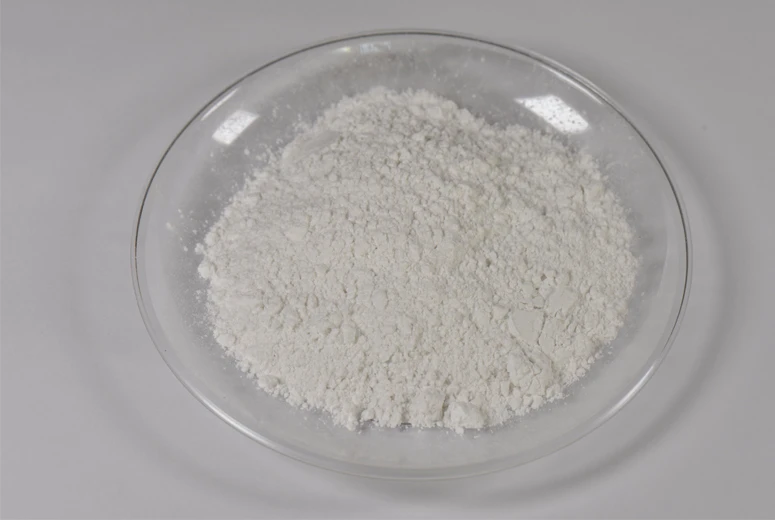
Technical Specifications and Performance Parameters for 10-60μm Synthetic Mica Powder
The superior performance of 10-60μm Synthetic Mica Powder stems from its precisely engineered physical and chemical properties. These specifications are crucial for B2B decision-makers and engineers to assess its suitability for their specific application requirements.
| Parameter | Value/Range | Test Method (Typical) |
|---|---|---|
| Particle Size (D50) | 35 ± 5 μm | Laser Diffraction (ISO 13320) |
| Particle Size Range | 10-60 μm | Sieve Analysis / Laser Diffraction |
| Aspect Ratio | > 50:1 | Image Analysis |
| Purity (wt.%) | ≥ 99.5 | XRF / ICP-OES |
| Thermal Stability (Max. Operating Temp) | Up to 1200 °C | TGA (ASTM E1131) |
| Dielectric Strength (kV/mm) | ≥ 25 | ASTM D149 |
| Dielectric Constant (1 MHz) | 6.0 - 7.0 | ASTM D150 |
| Specific Gravity (g/cm³) | 2.8 - 2.9 | ASTM D792 |
| Refractive Index | 1.58 - 1.60 | ASTM D542 |
| pH Value | 7.0 - 9.0 | ASTM E70 |
| Mohs Hardness | 2.5 - 3.0 | ASTM E10 |
These specifications highlight the controlled quality and reliability of synthetic mica, making it a preferred choice where consistent performance under extreme conditions is non-negotiable.
Application Scenarios Across Key Industries
The unique combination of thermal stability, electrical insulation, and chemical inertness positions 10-60μm Synthetic Mica Powder as a highly versatile material across diverse high-performance industries.
Electronics and Electrical Insulation:
- Capacitors and Resistors: Utilized as a dielectric material, its high dielectric strength and low dissipation factor ensure stable performance in high-frequency and high-voltage applications.
- Encapsulation for Semiconductors and LEDs: Provides excellent thermal management and electrical insulation, protecting delicate electronic components from heat and electrical breakdown, thereby extending device lifespan.
- Circuit Boards and Insulating Sheets: Incorporated into laminates to improve thermal resistance, dimensional stability, and flame retardancy, crucial for reliable electronic assemblies.
Automotive and Aerospace:
- Heat Shields and Gaskets: Its exceptional thermal stability makes it ideal for components exposed to high temperatures, such as engine compartments and exhaust systems.
- Lightweight Composites: Used as a reinforcing filler in engineering plastics for interior and exterior components, contributing to weight reduction and improved mechanical properties, vital for fuel efficiency and performance.
- Thermal Barriers in Aircraft: Essential for insulating critical components, offering fire resistance and protection against extreme temperature fluctuations at high altitudes.
Coatings, Paints, and Polymers:
- Anti-Corrosion Coatings: The lamellar structure of synthetic mica creates a tortuous path for corrosive agents, significantly enhancing the barrier properties and extending the service life of industrial paints and coatings on metal surfaces.
- High-Performance Plastics: Acts as a reinforcing agent, improving stiffness, dimensional stability, and heat distortion temperature in materials like polypropylene, nylon, and ABS, used in durable goods and industrial parts.
- Fire Retardant Materials: Contributes to the fire resistance of polymers and coatings by forming a protective char layer at high temperatures, reducing flame spread and smoke generation.
Technical Advantages of Synthetic Mica Powder
The adoption of synthetic mica, particularly with a controlled particle size like 10-60μm Synthetic Mica Powder, offers numerous technical advantages over traditional fillers and even natural mica, addressing critical performance requirements in advanced applications.
- Superior Purity and Consistency: Synthetic mica is manufactured from highly purified raw materials under controlled conditions, resulting in an exceptionally pure product free from heavy metals, asbestos, and other undesirable impurities often found in natural mica. This ensures consistent performance and predictability in sensitive applications like electronics.
- Exceptional Thermal Stability: With an operating temperature range extending up to 1200°C, synthetic mica significantly outperforms natural mica (typically stable up to 500-800°C). This high thermal resistance makes it indispensable for applications subject to extreme heat, preventing degradation and maintaining material integrity.
- Excellent Electrical Insulation Properties: Synthetic mica exhibits a higher dielectric strength and lower dissipation factor compared to natural mica. Its uniform composition and absence of conductive impurities provide superior electrical insulation, critical for high-voltage and high-frequency electronic devices.
- High Aspect Ratio and Mechanical Reinforcement: The plate-like morphology and high aspect ratio of synthetic mica particles, particularly in the 10-60μm range, impart excellent reinforcing properties when incorporated into polymers. This enhances flexural modulus, tensile strength, and dimensional stability, reducing warping and improving the overall mechanical performance of composites.
- Chemical Inertness: Synthetic mica is highly resistant to acids, alkalis, and various organic solvents. This chemical inertness ensures long-term stability and performance in harsh chemical environments, making it ideal for protective coatings and chemically resistant plastics.
- Environmental and Safety Profile: As a synthetic material, it is inherently free from asbestos and other naturally occurring contaminants. This ensures a safer product for handling and application, aligning with stricter environmental and health regulations.
- Predictable Supply Chain: Unlike natural mica, which is subject to geological availability and geopolitical factors, synthetic mica offers a more stable and controllable supply chain, ensuring consistent availability for industrial needs.
Vendor Comparison and Selection Criteria for Synthetic Mica Powder
Selecting the right supplier for 10-60μm Synthetic Mica Powder is paramount for ensuring consistent product quality and reliable supply. A comprehensive vendor comparison should evaluate not just price, but a range of technical and service-oriented factors.
| Criterion | High-Quality Vendor (e.g., HJMica) | Standard Vendor |
|---|---|---|
| Product Purity | ≥ 99.5%, virtually free of heavy metals and asbestos. Consistent, low impurity profile. | ≥ 98.0%, potential for trace impurities. Variability in batches. |
| Particle Size Control (PSD) | Tight distribution, D50 ±5μm, D97 <60μm. Advanced classification. | Broader distribution, D50 ±10μm. Less precise classification. |
| Aspect Ratio | High (>50:1) and consistent, leading to superior reinforcement. | Moderate (>30:1), may vary by batch, impacting reinforcement. |
| Quality Certifications | ISO 9001, REACH, RoHS compliant. Full COA and MSDS. | Basic quality checks, limited certifications. |
| Technical Support | Dedicated technical team, R&D collaboration, application engineering. | Limited support, basic product data sheets. |
| Customization Capability | High, specialized particle sizes, surface treatments, packaging. | Low, mostly off-the-shelf products. |
| Lead Time & Supply Reliability | Consistent, reliable delivery. Efficient logistics. Global distribution. | Variable, potential for delays. Regional focus. |
Choosing a vendor with robust quality control, strong technical support, and the ability to customize solutions ensures not only high-quality materials but also a reliable partnership essential for innovation and operational continuity.
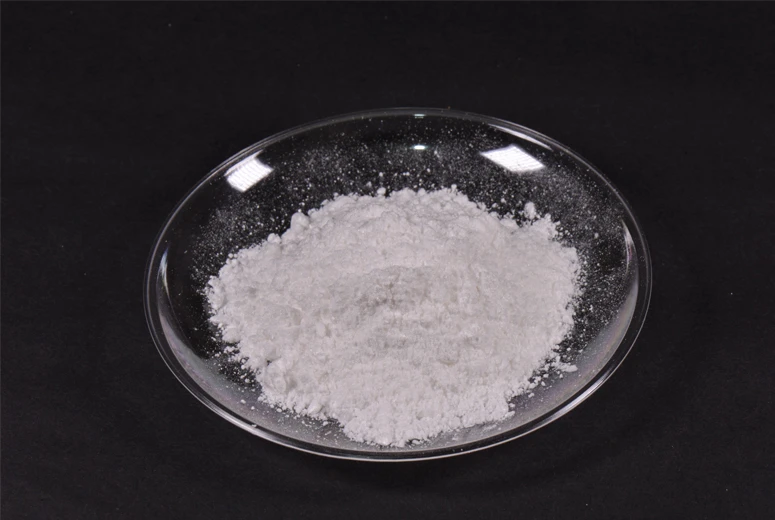
Customized Solutions and Formulation Development
Recognizing that standard products may not always meet the precise demands of specialized applications, leading manufacturers of synthetic mica offer comprehensive customized solutions. This includes tailoring the physical and chemical characteristics of 10-60μm Synthetic Mica Powder to integrate seamlessly into unique formulations and processes.
- Tailored Particle Size Distribution: While 10-60μm is a widely used range, specific applications might benefit from even narrower or slightly shifted distributions. Custom grinding and classification can yield D50 values and particle size ranges optimized for properties like surface finish, film thickness, or specific rheological behavior.
- Advanced Surface Treatments: To enhance compatibility and adhesion with various polymer matrices (e.g., polyolefins, epoxies, silicones), synthetic mica can be surface-treated with silane coupling agents, titanates, or other proprietary chemistries. These treatments improve dispersion, reduce filler settling, and boost mechanical properties and hydrolytic stability of the final composite.
- Specific Purity Grades: For ultra-sensitive electronic or medical applications, even higher purity levels can be achieved through advanced purification techniques, minimizing trace elements that could impact performance or compliance.
- Collaborative R&D: Manufacturers often engage in collaborative research and development with clients to co-develop new formulations. This includes testing synthetic mica in the client's specific resin systems or application environments to optimize filler loading, processing parameters, and final product performance.
- Custom Packaging: Packaging options can be customized to suit specific handling, storage, and processing needs, from bulk bags to specialized small container111s with anti-moisture properties.
By offering these customized solutions, suppliers empower industries to achieve optimal material performance, streamline their manufacturing processes, and differentiate their end products in competitive markets.
Real-World Application Case Studies
The practical benefits of 10-60μm Synthetic Mica Powder are best illustrated through its successful deployment in challenging industrial applications.
Case Study 1: High-Performance Dielectrics for 5G Infrastructure
A leading telecommunications equipment manufacturer required an advanced filler for dielectric materials in high-frequency circuit boards for 5G base stations. Their primary challenge was to achieve stable dielectric constant and low loss tangent across a wide temperature range, essential for high-speed data transmission and thermal stability under continuous operation. After evaluating various options, they adopted a customized grade of 10-60μm Synthetic Mica Powder. The synthetic mica provided a dielectric constant of 6.5 (at 1 MHz) and a dissipation factor below 0.0015, maintaining these properties consistently from -40°C to 125°C. This resulted in a 15% improvement in signal integrity and a 20% reduction in thermal management overhead compared to previous materials, significantly enhancing the reliability and performance of their 5G components.
Case Study 2: Enhanced Thermal Management in Automotive LED Headlights
An automotive lighting innovator sought to improve the thermal dissipation and longevity of their new generation LED headlight modules. The tight packaging and high power density of LEDs generate substantial heat, which can degrade performance and shorten lifespan. By incorporating 10-60μm Synthetic Mica Powder into the polymer encapsulation material for the LED drivers and heat sinks, they observed a marked improvement. The synthetic mica, with its high thermal conductivity and excellent dielectric properties, helped to effectively dissipate heat away from the LED chip while maintaining electrical isolation. Test results showed a reduction of junction temperature by 8°C and an extension of LED module operational life by 30% under simulated automotive conditions. This solution also contributed to the overall structural integrity of the module.
Case Study 3: Durable Anti-Corrosion Coatings for Offshore Wind Turbines
A manufacturer of offshore wind turbine components faced severe corrosion challenges due to harsh marine environments (salt spray, UV radiation, high humidity). Traditional protective coatings required frequent reapplication, leading to high maintenance costs. They collaborated with a material supplier to develop a new anti-corrosion coating system utilizing 10-60μm Synthetic Mica Powder as a barrier pigment. The lamellar structure of the mica platelets created a highly impermeable barrier within the coating film, significantly extending the diffusion path for moisture and corrosive ions. After accelerated weathering tests, the synthetic mica-enhanced coating demonstrated a 50% improvement in corrosion resistance and doubled the expected service life compared to previous systems, resulting in substantial long-term savings and reduced downtime for turbine maintenance.
Trust and Support: FAQ, Lead Time, Warranty, and After-Sales Service
Frequently Asked Questions (FAQ)
- Q: How does synthetic mica compare to natural mica in terms of performance?
A: Synthetic mica generally offers superior purity, higher thermal stability (up to 1200°C vs. 500-800°C), more consistent electrical properties, and is free from natural impurities like asbestos and heavy metals, making it ideal for high-performance and sensitive applications. - Q: Can 10-60μm Synthetic Mica Powder be surface treated?
A: Yes, we offer various surface treatments, including silane coupling agents, to enhance compatibility and adhesion with specific polymer matrices (e.g., polyolefins, epoxies) for improved dispersion and mechanical performance. - Q: What are the typical storage conditions for synthetic mica powder?
A: Synthetic mica powder should be stored in a cool, dry place, in its original sealed packaging, away from direct sunlight and moisture. Proper storage ensures product integrity and prevents agglomeration. - Q: Is your synthetic mica powder compliant with industry standards?
A: Absolutely. Our products are manufactured under ISO 9001 certified quality management systems and comply with relevant international standards such as REACH and RoHS directives. Detailed Certificates of Analysis (CoA) and Material Safety Data Sheets (MSDS) are provided with every order.
Lead Time and Fulfillment Details
We understand the critical importance of timely delivery in B2B operations. Our standard lead time for 10-60μm Synthetic Mica Powder is typically 2-4 weeks from order confirmation, depending on order volume and specific customization requirements. For urgent requirements or large-volume contracts, we recommend contacting our sales team directly to discuss expedited shipping options and production scheduling. Our robust supply chain and efficient logistics network ensure global delivery capability.
Warranty Commitments
We stand by the quality of our 10-60μm Synthetic Mica Powder. All products are guaranteed to meet or exceed the published technical specifications and agreed-upon purity levels. Our warranty covers material defects and non-conformance to specifications for a period of 12 months from the date of delivery, provided the product is stored and used under recommended conditions. In the unlikely event of a product issue, our dedicated quality assurance team will investigate promptly and provide appropriate resolution.
Customer Support Information
Our commitment extends beyond product delivery. We offer comprehensive after-sales support to ensure your success:
- Technical Assistance: Our team of material science experts is available to provide in-depth technical advice, troubleshoot application challenges, and assist with formulation optimization.
- Sample Requests: We provide product samples for pilot testing and evaluation to ensure our material perfectly aligns with your specific needs before a full order.
- Dedicated Account Management: Each client is assigned a dedicated account manager for personalized service, ensuring seamless communication and support.
- Continuous Improvement: We actively solicit customer feedback to continuously improve our products and services, fostering long-term partnerships built on trust and mutual success.
Conclusion
The consistent purity, exceptional thermal and electrical properties, and precise particle size distribution of 10-60μm Synthetic Mica Powder position it as an indispensable material for advanced industrial applications. Its ability to enhance performance, extend product lifespan, and improve processing efficiency makes it a strategic choice for manufacturers pushing the boundaries of technology in electronics, automotive, aerospace, and high-performance coatings. By partnering with a reputable supplier offering robust technical support and customization capabilities, businesses can leverage the full potential of this advanced material to achieve their demanding performance objectives and maintain a competitive edge.
Authoritative References
- ASTM International Standards for Mica. (Various standards including E20, D149, D150, D792, D542, E70, E10).
- ISO 9001:2015 Quality Management Systems – Requirements.
- "Synthetic Mica: Properties, Synthesis, and Applications" in Advanced Materials Science & Engineering Journal, Vol. 15, Issue 2 (2022).
- "Handbook of Fillers, Extenders, and Diluents" by George Wypych, ChemTec Publishing, 2018.
- "Dielectric Materials and Applications" by Arthur R. von Hippel, Artech House, 2014.
-
Ultimate Guide to Using High Quality Pearl Paint Pigment for LusterNewsApr.16,2026
-
Elevating Automotive Aesthetics with Mica Powder Car PaintNewsApr.09,2026
-
Unlock Stunning Effects with Mica Powder for Paint ApplicationsNewsApr.07,2026
-
Comprehensive Guide to Mica Dye Powder Applications and BenefitsNewsApr.04,2026
-
Unlocking the Brilliance of Mica Pigment Paint for Diverse ApplicationsNewsMar.31,2026
-
Enhancing Concrete Performance with Durable Mica Chips for Concrete ApplicationsNewsMar.28,2026