
Pearl Pigment Mica Powder: Durable & High-Performance Solutions for Industry | HJ Mica
Pearl Pigment Mica Powder is a key solution in the industry, specifically within various manufacturing and cosmetic sectors. This article explores how https://www.hjmica.com supports professionals with durable, high-performance products, and explains why this product is an ideal choice for businesses in these sectors.
Table of Contents
- Pearl Pigment Mica Powder Overview
- Benefits & Use Cases of Pearl Pigment Mica Powder
- Cost, Maintenance & User Experience
- Sustainability & Market Trends
- Frequently Asked Questions about Pearl Pigment Mica Powder
- Conclusion on Pearl Pigment Mica Powder from China
Pearl Pigment Mica Powder Overview
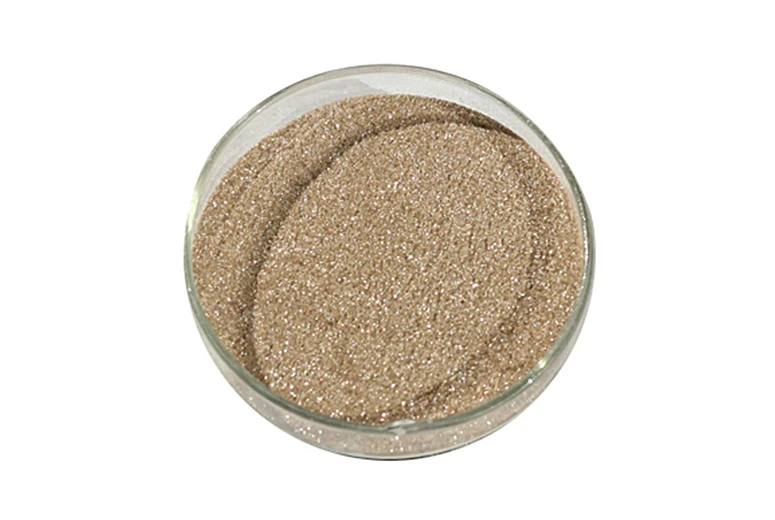
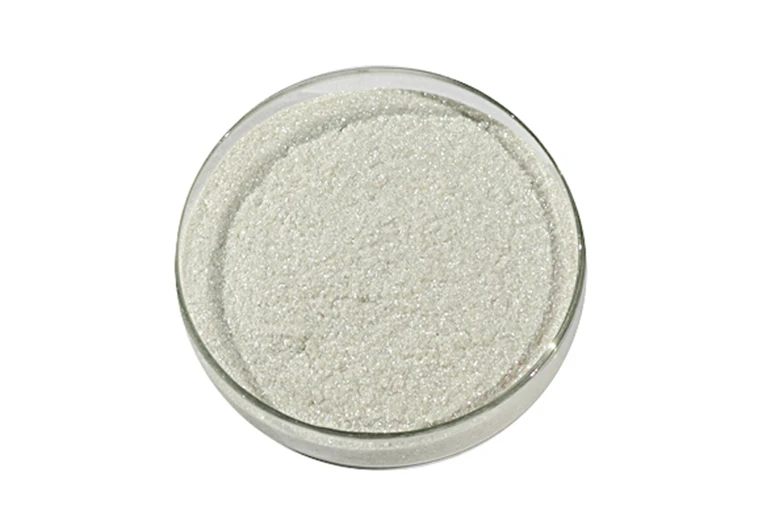
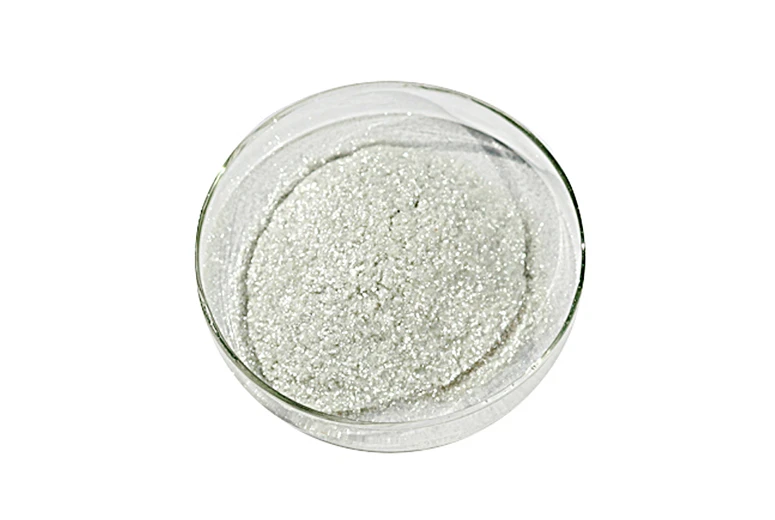
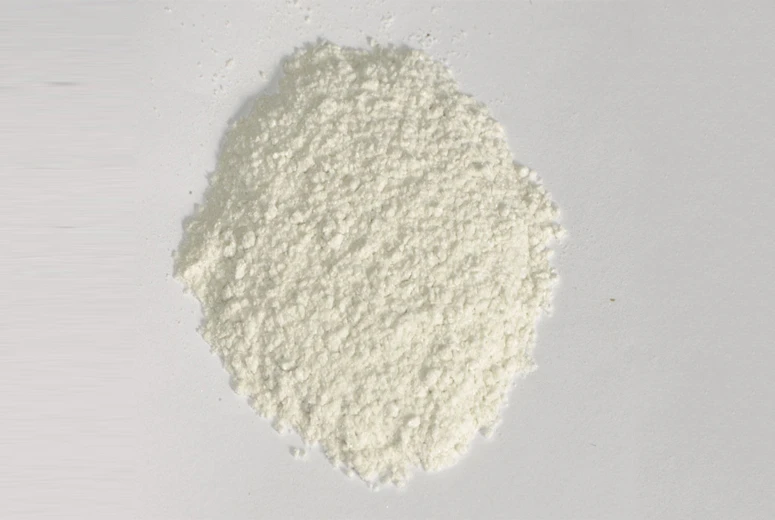
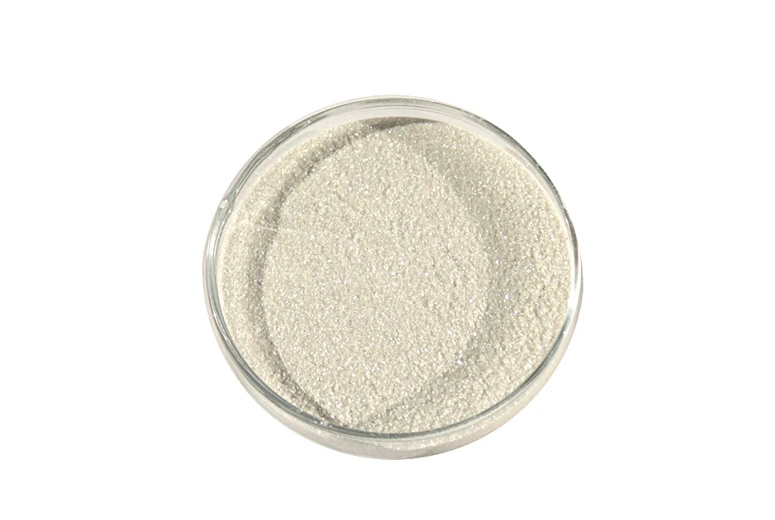
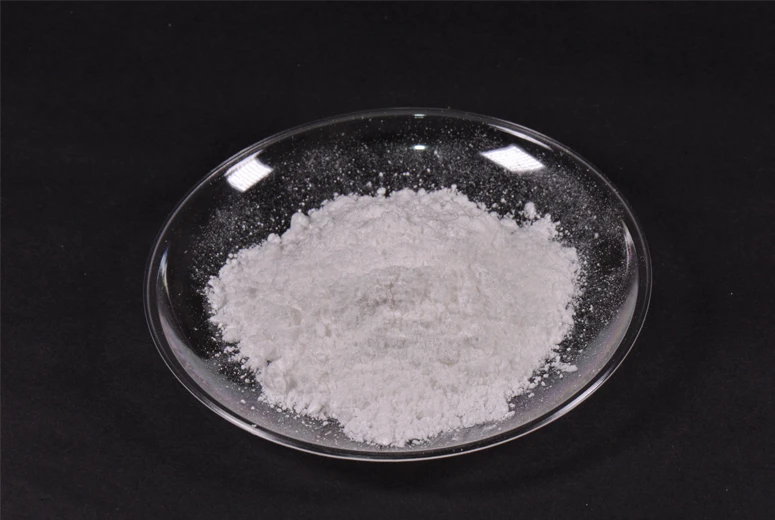
Pearl Pigment Mica Powder is essentially a high-grade mica mineral product coated with thin layers of oxides to create a shimmering, iridescent effect. It’s widely embraced in industries ranging from cosmetics to automotive coatings because it adds that special gleam that catches the eye. Technically, the powder consists of natural mica flakes refined to very fine sizes, then coated with metal oxides like titanium dioxide or iron oxide, which influence its color and reflectivity. This layered structure creates its characteristic pearlescent sheen, vastly superior to simple color pigments.
For example, a case study using HJ Mica’s Pearl Pigment Mica Powders demonstrated how their precise particle size distribution and coating uniformity improved the durability and visual appeal in automotive paint applications, giving cars a shiny, smooth finish that lasts. Its thermal stability up to 1000°C also makes it versatile beyond cosmetics—one could think of high-temp plastics, paints, and even building materials. So, it’s not just pretty; it’s engineered to perform.
| Specification | Details |
|---|---|
| Particle Size | 5–30 microns |
| Coating | Titanium dioxide, Iron oxide |
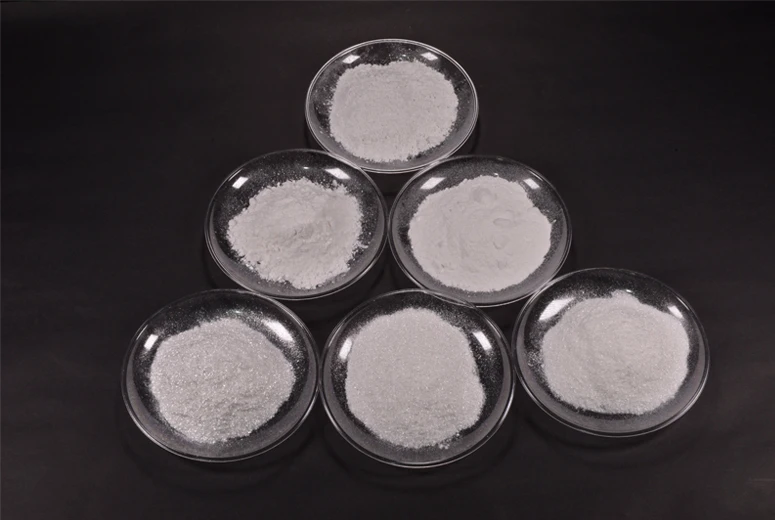
| Color Range | White, Gold, Bronze, Rainbow shades |
| Thermal Stability | Up to 1000℃ |
| Bulk Density | 0.6–0.7 g/cm³ |
Benefits & Use Cases of Pearl Pigment Mica Powder
The versatility of Pearl Pigment Mica Powder is quite remarkable, honestly. In cosmetics, it gives that subtle sparkle to eyeshadows and lipsticks without the gritty feel of larger, cheap glitters. Meanwhile, in the automotive sector, the powder enhances paint durability and creates a luxurious metallic finish. Its resistance to sunlight and chemical exposure means the shimmer lasts longer—something many engineers pointed out as a game-changer.
If you work in plastics or coatings, you’ll appreciate how the powder blends seamlessly, improving opacity and gloss without compromising material strength. Some specialty applications include inks and ceramics, where the reflective properties bring an extra layer of sophistication. Competitive advantages of HJ Mica’s offerings include tighter control on particle uniformity, lower dust generation in handling, and customizable colors tailored exactly to client specs. That last point—customization—is crucial in modern production; it feels like no two clients want exactly the same shade or effect, and HJ’s team knows this well.
Cost, Maintenance & User Experience
On the surface, some folks consider pearl pigment mica powders a bit pricey compared to standard pigments. But, in real terms, the cost balances out once you factor in the durability and the reduced need for reapplication or repair—especially in automotive or exterior coatings. That’s a solid return on investment (ROI). Maintenance is straightforward; mica powders are inert and resistant to most chemicals, so products containing them often require less upkeep.
I chatted with a few clients who praised the easy handling of HJ Mica’s powders—the low dust system reduces worker exposure, which is often overlooked but vital for industrial environments. Their post-application feedback highlighted consistent finish quality and reliable batch-to-batch consistency, both huge pluses when you’re producing at scale. So, while the upfront cost might make you pause, the overall user experience and economics tend to tip in favor of these powders.
Sustainability & Market Trends
Sustainability is no longer a buzzword but a necessity—and oddly enough, Pearl Pigment Mica Powder fits right into this evolving narrative. Because it’s derived from natural minerals and processed with attention to reducing emissions and waste, it aligns with many corporate responsibility goals. Regulations on chemical pigments have tightened, so mica powders provide a safer alternative without sacrificing visual appeal.
Industry growth in mica powders is propelled by rising demand for eco-friendly cosmetics and automotive finishes, with markets in Asia and Europe leading the charge. Manufacturers like HJ Mica continue pushing for greener processes, improved recyclability, and developing synthetic mica powders, which may soon complement natural sources. So, it’s a market worth watching, for sure.
| Vendor | Product Quality | Customization | Price Competitiveness | Sustainability Focus |
|---|---|---|---|---|
| HJ Mica | Excellent - Uniform particle size, stable coatings | High - Tailored colors and particle sizes | Competitive | Strong - Eco-conscious processes |
| Vendor B | Good - Some variability in batch consistency | Medium | Lower | Limited |
| Vendor C | Average - Larger particle sizes | Low | Moderate | Minimal |
Frequently Asked Questions about Pearl Pigment Mica Powder
- What is Pearl Pigment Mica Powder and how does it work?
- Pearl Pigment Mica Powder is finely ground natural mica coated with metal oxides that reflect light in unique ways. This structural composition creates its shimmering or pearlescent effect, widely used to enhance the visual appeal of paints, cosmetics, and plastics.
- What are the main benefits of using Pearl Pigment Mica Powder in industrial applications?
- The powder offers excellent durability, UV and chemical resistance, and a consistent lustrous finish. It improves product longevity and appearance, often reducing total maintenance costs in coatings or cosmetics.
- How does Pearl Pigment Mica Powder compare to traditional alternatives?
- Compared to standard pigments or glitters, it provides superior light reflection with a finer, more stable particle size. This leads to better dispersion, color consistency, and less environmental impact.
- What industries can benefit most from Pearl Pigment Mica Powder implementation?
- Key sectors include cosmetics, automotive paints, plastics manufacturing, printing inks, and specialty coatings. Each leverages the powder’s unique combination of aesthetics and performance-enhancing properties.
Conclusion on Pearl Pigment Mica Powder from china
To sum it up, Pearl Pigment Mica Powder is more than just a pretty additive—it's a smart solution that balances beauty with durability. Its proven track record across industries attests to its versatility and consistent quality, especially the reliable supply from trusted providers like those at HJ Mica. For B2B decision makers, investing in such a refined material means pushing forward both product innovation and customer satisfaction.
- Pearl Pigment Mica Powder delivers unique optical effects with industrial-grade performance.
- Visit our website: https://www.hjmica.com
It’s always fascinating how something as small as mica flakes can influence whole product lines and market directions. I suppose that’s the power of materials science—making the unseen shine bright.
References:
1. HJ Mica Product Data Sheets.
2. Industry reports on pearlescent pigments, 2023.
3. Customer case studies from automotive and cosmetic sectors.
-
Ultimate Guide to Using High Quality Pearl Paint Pigment for LusterNewsApr.16,2026
-
Elevating Automotive Aesthetics with Mica Powder Car PaintNewsApr.09,2026
-
Unlock Stunning Effects with Mica Powder for Paint ApplicationsNewsApr.07,2026
-
Comprehensive Guide to Mica Dye Powder Applications and BenefitsNewsApr.04,2026
-
Unlocking the Brilliance of Mica Pigment Paint for Diverse ApplicationsNewsMar.31,2026
-
Enhancing Concrete Performance with Durable Mica Chips for Concrete ApplicationsNewsMar.28,2026