
How to Choose a Mica Powder Supplier for Rubber Barrier Applications
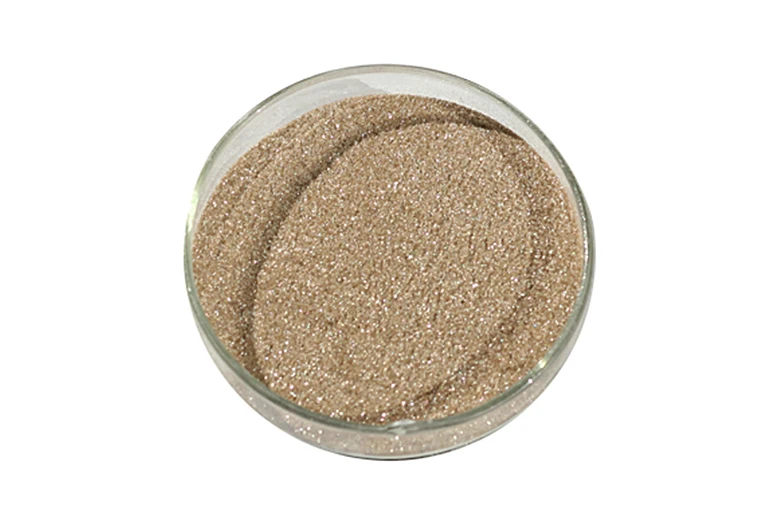
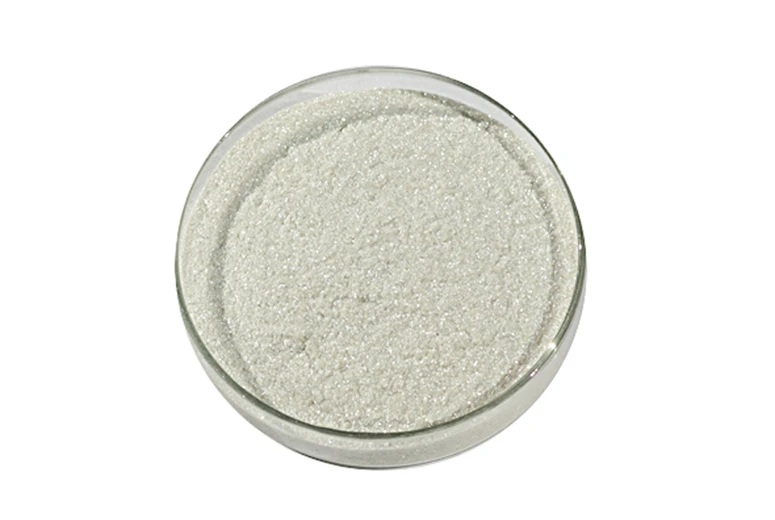
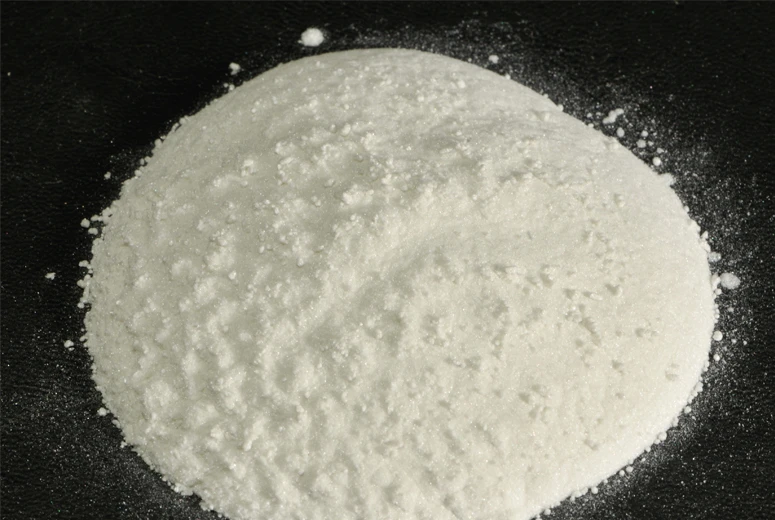
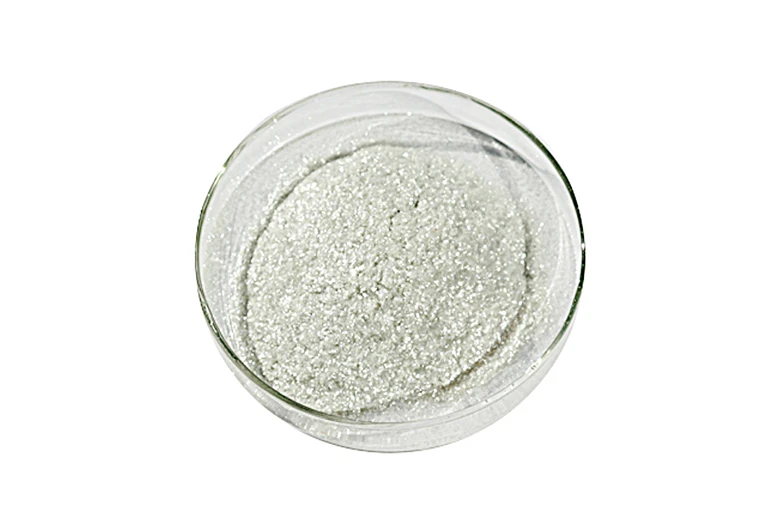
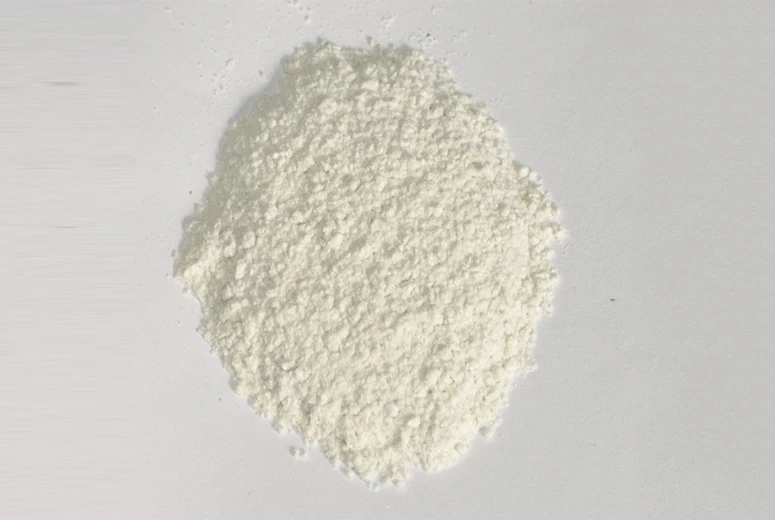
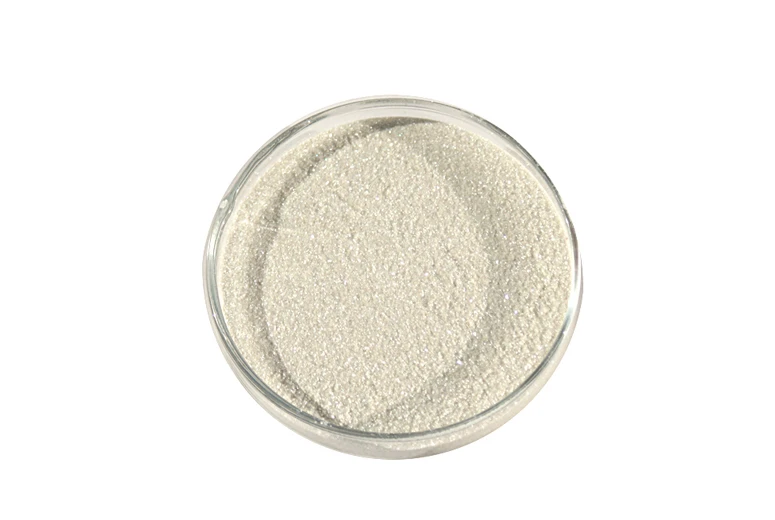
A mica powder supplier should match particle size, layered structure, purity, moisture and magnetic material limits to the compound. 40-D Mica Powder is a coarser, small-scale product suited to rubber compounds where lower permeability matters, including tire lining, medical plugs, membranes and hoses.

Application function and layered structure: confirm that the rubber compound needs mica as a functional enhancement additive for reducing air or liquid permeability, especially in tire lining, medical plugs, membranes or hoses.
Material parameters and process fit: compare D90 > 340 μm, purity > 97%, whiteness > 60, silver-white color, moisture < 0.5% and magnetic material < 800 ppm with the formulation and incoming-material requirements.
Mica powder selection starts with the job the filler must perform. For rubber compounds that need an impermeable barrier, we supply 40-D Mica Powder as a coarser powder with a small scale shape. Its layered structure gives mica a high diameter-to-thickness ratio, which can reduce the permeability of air and liquids in rubber compounds.
The right purchasing decision is therefore a fit check: does your formulation need a coarse, layered mica powder, and do the supplied values match your process requirements? The following points give you a practical way to assess that fit with a mica powder supplier.
Match the powder to the rubber function
40-D Mica Powder is intended for applications in which mica acts as a functional enhancement additive in rubber. The mica layers form an impermeable barrier within the compound. A better layered structure generally corresponds to lower permeability, which is why this grade is especially suitable for tire lining, medical plugs, membranes and hoses.
Picture a tire-lining compound where air retention is part of the product requirement. A coarse, small-scale mica powder is the relevant option to assess when the formulation needs layered mineral reinforcement for a barrier function. The same check applies to a hose or membrane compound: define the permeability target and the processing behavior required by your formulation, then compare those needs with the grade's particle-size and structure profile.
We recommend 40-D Mica Powder for rubber manufacturers developing or purchasing compounds for these barrier-oriented uses. It is less suited to a specification that calls for a fine powder or a different particle shape, because 40-D Mica Powder is coarser and has a small-scale shape.
Check the values before approving a grade
The product parameters provide the first screening points for a purchase order. Its D90 is greater than 340 μm, identifying 40-D as a coarse powder. Purity is greater than 97%, while whiteness is greater than 60 and the color is silver white. Moisture is below 0.5%, and magnetic material is below 800 ppm.
Use the particle-size value when reviewing the feed, dispersion and surface-finish requirements of your rubber process. Purity helps define the mineral composition required by your formulation. Color and whiteness matter when the mica must be incorporated into a visually controlled compound. Include moisture and magnetic material in incoming-material checks where they affect weighing, mixing, compound consistency or material control.
These figures should be read together. Particle size addresses how coarse the powder is, while purity, moisture and magnetic material help define the incoming material condition. Send your own acceptance limits to the supplier so the product can be assessed against the actual formulation rather than against particle size alone.
Decide whether 40-D fits your process
The product fits best when your compound benefits from mica's layered barrier structure and can accept a D90 above 340 μm. Before ordering, compare that value with the openings, conveying equipment and mixing sequence used at your plant. A coarse powder may require a different material-handling approach from a fine mineral filler, so the grade should be reviewed with the people responsible for feeding and dispersion.
For medical plugs, membranes and hoses, the relevant question is whether the grade's barrier role matches the compound's required resistance to air or liquid permeability. For tire lining, compare the mica's structure and coarse particle size with the compound design and the finished lining's process requirements. These are application-fit decisions, not simply color or powder-name checks.
A purchase specification should also identify the required purity, moisture and magnetic-material limits. 40-D Mica Powder has values for each of these parameters, giving your quality team concrete points for incoming inspection. We can use the same information to discuss whether the grade matches your formulation and handling conditions.
Questions to settle with a mica powder supplier
Is 40-D Mica Powder a fine powder?
No. It is a coarser powder with a small scale shape, and its D90 is greater than 340 μm. This makes it the relevant grade to review when a rubber compound needs a coarse, layered mineral additive. If your process is designed around fine powder feed or dispersion, send the required particle-size range before selecting the grade.
Which rubber products suit this mica powder?
Tire lining, medical plugs, membranes and hoses are the named application areas. They share a need to consider air or liquid permeability in the rubber compound. We recommend starting with the finished product's barrier requirement, then checking whether the coarse particle size and layered structure are compatible with your mixing and forming process.
What moisture value should incoming inspection check?
The product parameter is moisture below 0.5%. Add that limit to the incoming-material checklist when moisture can affect weighing, mixing or compound consistency. Your purchasing specification should connect the limit with the way your plant stores, feeds and blends the powder, so the same criterion is used by procurement, quality and production.
What purity and magnetic-material values are specified?
Purity is above 97%, and magnetic material is below 800 ppm. These values give you two separate checks: overall mineral purity and the level of magnetic material. Include both in the technical review when your rubber formulation or internal material-control procedure has limits for these properties.
Prepare the grade review before ordering
Choose 40-D Mica Powder when your rubber application needs a coarse, layered mica additive for barrier-oriented products such as tire lining, medical plugs, membranes or hoses. As your mica powder supplier, we need your application, target particle-size range, purity, moisture and magnetic-material limits, plus the planned quantity and mixing process, to review the grade with you.

About the author
The company
LINGSHOU HUAJING MICA CO., LTD.
Founded in 1994, the factory is located in Hebei, China, one of the world's four major mica crushing bases. It originated from the processing of mica powder, with only two dry production lines at the beginning of its establishment. Maximize the use of mica resources is the original intention of doing everything. It leads us to explore and improve the technology. Every day, we are working hard for small advances in mica production technology and minimal expansion in our applications.…
About Us ↗Visit company website ↗-
What Is Synthetic Mica? HS10 Questions for Cosmetic FormulatorsNewsNov.02,2026
-
Calcined Mica F-60 vs. D-5 Mica: A Guide for Buyers Sourcing from Mica ManufacturersNewsOct.28,2026
-
Industrial Mica Powder Guide and Mica is it Safe AnalysisNewsJul.01,2026
-
Comprehensive Mineral Guide on is mica safe for IndustryNewsJun.29,2026
-
Industrial Guide on what is mica pigment powder used forNewsJun.27,2026