
High-Purity -15 Synthetic Mica Powder for Premium Applications
The Advanced Properties and Applications of -15 Synthetic Mica Powder
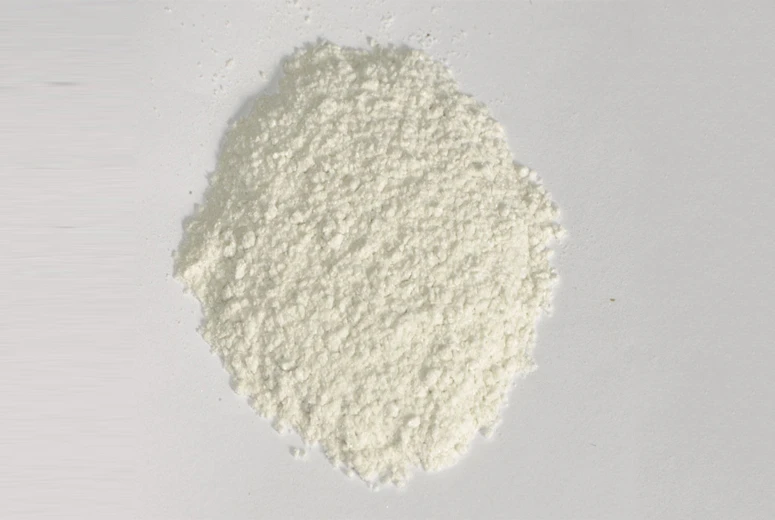
In the realm of advanced materials, the consistent demand for high-performance fillers and additives has driven significant innovation. Among these, -15 Synthetic Mica Powder stands out as a critical component, engineered to surpass the limitations of natural mica. This meticulously manufactured material, characterized by its fine particle size distribution with a median particle size typically below 15 microns, offers unparalleled purity, thermal stability, and electrical insulation properties. Unlike its natural counterpart, synthetic mica is free from impurities like heavy metals, iron, and quartz, which are often present in varying degrees in mined mica. This exceptional purity ensures consistent performance and predictability, making it indispensable in sensitive applications where even trace contaminants can compromise product integrity or functionality. The controlled synthesis process allows for precise manipulation of its crystalline structure and aspect ratio, yielding a product with superior optical properties, enhanced mechanical reinforcement capabilities, and remarkable chemical inertness. Industries ranging from high-end cosmetics and advanced electronics to specialized coatings and high-temperature plastics are increasingly relying on the unique attributes of -15 Synthetic Mica Powder to achieve previously unattainable levels of performance and reliability. Its advent marks a significant leap forward in material science, providing engineers and product developers with a versatile tool to push the boundaries of innovation and create next-generation products that meet the stringent demands of modern industrial processes and consumer expectations.
The market for synthetic mica powder is experiencing robust growth, driven by escalating demand from high-tech sectors for materials with superior dielectric strength, thermal resistance, and consistent quality. Industry trends indicate a pivot towards advanced synthetic materials that offer greater control over product specifications and performance predictability compared to their natural counterparts. For instance, the global synthetic mica market is projected to grow at a significant compound annual growth rate (CAGR) over the next decade, fueled by innovations in automotive, aerospace, and semiconductor industries. This growth is also underpinned by the increasing adoption of sustainable manufacturing practices, as synthetic mica production can be more environmentally controlled than traditional mining operations. The unique combination of properties offered by -15 Synthetic Mica Powder positions it as a preferred choice for applications requiring resistance to extreme temperatures, chemical inertness, and high electrical insulation, such as specialized insulation in electric vehicles and high-frequency communication devices. Furthermore, its ability to impart a smooth texture and pearlescent effect in cosmetic formulations, coupled with its non-toxic nature, continues to drive demand in the beauty and personal care industry. The consistent quality and tailored particle size of synthetic mica ensure uniform dispersion and predictable behavior in end-products, significantly reducing batch-to-batch variations and enhancing overall product reliability, which is paramount for B2B applications where consistent supply chain quality is a key differentiator.
Precision Manufacturing: The Crafting of -15 Synthetic Mica Powder
The production of -15 Synthetic Mica Powder is a highly controlled and technologically advanced process, rooted in melt crystallization. Unlike natural mica, which is mined, synthetic mica (specifically fluorophlogopite mica) is synthesized from precisely measured raw materials under high-temperature conditions. The primary raw materials typically include silica (SiO₂), alumina (Al₂O₃), magnesia (MgO), and potassium fluoride (KF). These components are meticulously mixed to form a specific stoichiometric composition. The mixture is then heated in specialized electric furnaces to extremely high temperatures, often exceeding 1400°C (2550°F), until it completely melts into a homogeneous liquid. This molten state ensures the uniform distribution of all constituents. The critical phase of the manufacturing process involves the controlled cooling of this melt. A slow and carefully managed cooling rate is essential for the nucleation and growth of large, high-quality synthetic mica crystals. This controlled crystallization process, sometimes taking days or even weeks, allows for the formation of perfect hexagonal plate-like structures, free from the defects and impurities inherent in natural geological formations. The precise temperature gradients and cooling curves are proprietary aspects of advanced manufacturers, directly influencing the final product's purity, crystallinity, and performance characteristics.
Following the crystallization, the large synthetic mica crystals are extracted and undergo further processing to achieve the desired powder form. This involves a series of comminution steps, including crushing, grinding, and micronization. Advanced grinding technologies, such as jet milling or air classification, are employed to break down the crystals into fine particles while preserving their lamellar structure and high aspect ratio. The '-15' designation specifically refers to the particle size distribution, indicating that the majority of particles are below 15 microns, often with a tightly controlled d50 (median particle size) in the range of 5-10 microns. This fine particle size is crucial for applications requiring smooth textures, high transparency, or efficient dispersion in various matrices. Throughout the entire manufacturing chain, stringent quality control measures are implemented. This includes raw material inspection, real-time monitoring of melting and crystallization parameters, and comprehensive post-production testing. Typical detection standards involve X-ray diffraction (XRD) for crystal structure verification, Inductively Coupled Plasma Optical Emission Spectrometry (ICP-OES) for elemental analysis and purity assessment (ensuring minimal heavy metal content), particle size analysis (PSA) using laser diffraction, whiteness and brightness measurements, and dielectric strength testing. Adherence to international quality management systems, such as ISO 9001, ensures consistent product quality, reliability, and traceability. The controlled environment of synthetic mica production guarantees a material with superior thermal stability, often retaining its structural integrity up to 1200°C (2192°F), and excellent chemical inertness, making it highly resistant to acids, alkalis, and solvents, thus providing a much longer "service life" in demanding applications compared to materials susceptible to degradation.
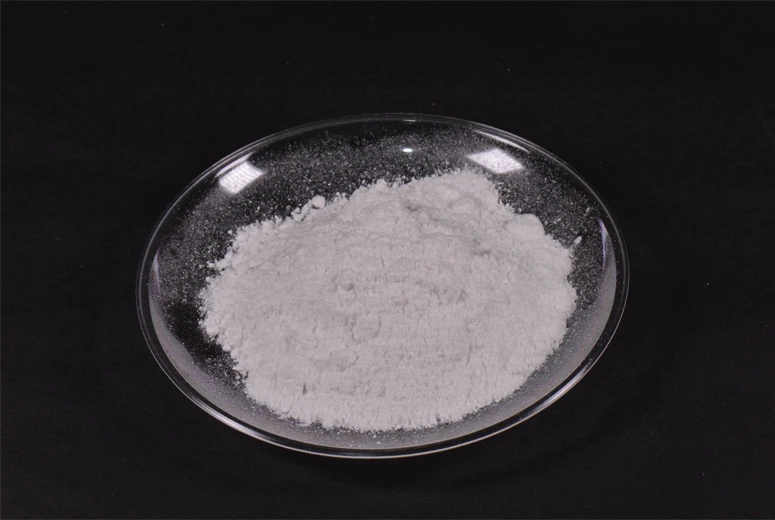
Figure 1: Illustrative Diagram of Synthetic Mica Crystallization Process.
Technical Parameters and Core Specifications of -15 Synthetic Mica Powder
The precise technical specifications of -15 Synthetic Mica Powder are what empower its diverse high-performance applications. Understanding these parameters is crucial for engineers and product developers to integrate this advanced material effectively into their formulations and designs. The `-15` designation, as mentioned, primarily refers to its fineness, ensuring a smooth texture and uniform dispersion in various matrices. Key parameters that define the quality and suitability of synthetic mica include its chemical composition, particle size distribution, thermal stability, dielectric properties, and optical characteristics. Chemically, synthetic fluorophlogopite mica (KMg₃(AlSi₃O₁₀)F₂) offers a consistent composition devoid of the variable impurities typically found in natural mica, such as iron, lead, and other heavy metals. This chemical purity is paramount for applications in cosmetics, electronics, and food-contact materials where safety and non-reactivity are critical. The aspect ratio, which is the ratio of the flake diameter to its thickness, is another vital characteristic; a high aspect ratio contributes to improved barrier properties, mechanical reinforcement, and pearlescent effects.
| Parameter | Value/Range | Test Method/Standard |
|---|---|---|
| Chemical Formula | KMg₃(AlSi₃O₁₀)F₂ | Theoretical |
| Purity (Mica content) | >99% | XRD, ICP-OES |
| Median Particle Size (d50) | 5-10 µm | Laser Diffraction (e.g., ISO 13320) |
| Particle Size (<15µm) | >95% | Laser Diffraction |
| Specific Gravity | 2.80 - 2.86 g/cm³ | ASTM D792 |
| Mohs Hardness | 2.5 - 3.0 | Standard Scale |
| Thermal Decomposition Temperature | >1200°C (>2192°F) | Thermogravimetric Analysis (TGA) |
| Dielectric Strength (1mm sheet) | >18 kV/mm | IEC 60243-1 |
| Loss on Ignition (LOI) | <0.5% | ASTM C114 |
| Whiteness (Hunter L) | >90 | Colorimeter (e.g., CIE Lab) |
These technical specifications underscore the superior performance profile of -15 Synthetic Mica Powder. Its high thermal decomposition temperature, far exceeding that of most polymers, makes it ideal for high-temperature plastics and composites, acting as a heat barrier or fire retardant. The exceptional dielectric strength ensures its effectiveness as an electrical insulator in critical electronic components, preventing electrical breakdown even under high voltage. Furthermore, the low LOI indicates minimal volatile content, which is crucial for applications sensitive to off-gassing or weight loss at elevated temperatures. The high whiteness and purity are particularly valuable for optical applications and cosmetics, where color consistency and safety are paramount. Leveraging these precise parameters, manufacturers can confidently engineer products with enhanced durability, safety, and functionality across a myriad of challenging environments.
Unparalleled Advantages and Diverse Application Scenarios
The distinctive properties of -15 Synthetic Mica Powder translate into a compelling array of technical advantages over conventional materials, driving its adoption across a multitude of industries. Its inherently high purity, achieved through the controlled synthesis process, eliminates undesirable heavy metals and mineral impurities often found in natural mica. This is critically important for applications where regulatory compliance, such as FDA or REACH standards for cosmetics and food contact, is paramount. The superior thermal stability, with an operational temperature ceiling extending beyond 1200°C, significantly surpasses the thermal limits of natural mica (typically around 600-800°C), making it an indispensable component in high-temperature polymers, insulation materials, and fire-resistant coatings. Furthermore, its excellent dielectric strength and low dielectric constant make it an ideal electrical insulator in high-frequency circuits, capacitors, and various electronic components where minimal signal loss and reliable performance under electrical stress are essential. Its precisely controlled particle size and morphology contribute to superior optical properties, including high transparency and exceptional pearlescent effects, which are highly sought after in advanced pigments and automotive finishes.
The versatility of -15 Synthetic Mica Powder is evident in its wide range of application scenarios. In the cosmetics industry, its purity, smooth texture, and non-toxic nature make it a preferred filler and functional ingredient for foundations, eye shadows, and lipsticks, providing superior slip, enhanced blendability, and a subtle shimmer without the risks associated with heavy metals. For plastics and polymers, it acts as an effective reinforcing filler, improving tensile strength, flexural modulus, and heat distortion temperature, particularly in engineered plastics used in automotive parts and consumer electronics. Its role as a flame retardant additive, due to its high thermal stability, contributes to enhanced fire safety in building materials and electrical casings. In paints and coatings, synthetic mica imparts a smooth, lustrous finish, and its barrier properties improve corrosion resistance and weatherability, extending the lifespan of industrial coatings. The electronics sector leverages its outstanding electrical insulation for encapsulation compounds, printed circuit boards (PCBs), and specialized dielectric films, ensuring reliable operation of sensitive components. Emerging applications include its use in advanced ceramics, where it aids in thermal shock resistance, and in specialized composites for aerospace and defense, demanding materials that can withstand extreme environmental conditions. A key advantage across all these fields is its batch-to-batch consistency, minimizing production variability and ensuring predictable end-product performance, which is a major concern for B2B procurement and supply chain management.
Synthetic vs. Natural Mica: A Comparative Analysis
While natural mica has historically served as a versatile industrial mineral, the advent of synthetic mica has introduced a superior alternative, particularly for demanding applications. The fundamental difference lies in their origin and manufacturing. Natural mica is a mineral mined from the earth, and its properties are subject to geological variability. This often leads to inconsistencies in purity, particle size, and color, and it may contain undesirable trace elements such as iron, lead, arsenic, and other heavy metals. These impurities can affect electrical properties, optical clarity, and even pose health or environmental concerns in certain applications, necessitating extensive purification processes that add cost and complexity. In contrast, -15 Synthetic Mica Powder is laboratory-grown under strictly controlled conditions, which allows for precise control over its chemical composition and crystal structure. This controlled synthesis ensures virtually identical properties from batch to batch, offering unparalleled consistency and purity.
| Feature | -15 Synthetic Mica Powder | Natural Mica Powder |
|---|---|---|
| Origin | Lab-grown (Melt Crystallization) | Mined from natural deposits |
| Purity & Consistency | >99% pure, highly consistent, no heavy metals | Variable purity, often contains impurities (Fe, Pb, As), inconsistent |
| Thermal Stability | Up to 1200°C (2192°F) | Up to 600-800°C (1112-1472°F) |
| Dielectric Strength | Superior, low dielectric loss | Good, but can be affected by impurities |
| Optical Properties | High transparency, pure white, strong pearlescence | Often yellowish/greyish tint, variable transparency |
| Chemical Inertness | Excellent resistance to acids, alkalis | Good, but can be less stable due to impurities |
| Particle Size Control | Precisely controlled, tight distribution | More variable, harder to achieve ultra-fine grades consistently |
| Cost | Higher initial cost | Lower initial cost |
The performance advantages of -15 Synthetic Mica Powder often outweigh its higher initial cost, especially in critical applications where reliability, safety, and superior performance are non-negotiable. For example, in advanced electronics, the consistent dielectric properties of synthetic mica prevent short circuits and enhance device longevity, a benefit natural mica cannot reliably guarantee due to its inherent variability. Similarly, in high-end cosmetic formulations, the absence of heavy metals in synthetic mica provides a crucial safety advantage and superior aesthetic quality. While natural mica continues to be used in some bulk industrial applications, the trend in high-tech and specialty markets is decisively shifting towards synthetic alternatives to leverage their predictable performance, enhanced purity, and superior functional attributes. This shift reflects a broader industry movement towards materials science innovations that provide tailored solutions for complex engineering challenges, ensuring optimal performance and compliance with evolving regulatory standards.
Tailored Solutions: Customization and Partnership for Optimal Performance
Recognizing that every industrial application presents unique challenges, leading manufacturers of -15 Synthetic Mica Powder offer comprehensive customization and partnership solutions to meet specific client requirements. While the standard -15 micron grade provides exceptional performance across many fields, certain applications may benefit from even finer particle sizes, modified surface treatments, or specific aspect ratios to achieve optimal dispersion, compatibility with various resin systems, or enhanced functional properties. For instance, in advanced composite materials, an optimized aspect ratio of mica flakes can significantly improve mechanical strength and reduce warpage. For specialized coating applications, surface-treated synthetic mica can enhance adhesion to specific polymers or improve dispersibility in solvent-based or water-based systems, preventing agglomeration and ensuring a homogeneous film. Our technical team works closely with clients, from initial consultation and material specification to pilot testing and full-scale production, ensuring that the tailored -15 Synthetic Mica Powder seamlessly integrates into existing manufacturing processes and delivers the desired performance enhancements.
Our commitment to customer success extends beyond simply supplying a product; it encompasses providing comprehensive technical support and collaborative development. This includes conducting detailed material analysis, offering expert recommendations on optimal integration strategies, and developing bespoke solutions for novel applications. For example, a recent collaboration with a major automotive component manufacturer involved developing a specific grade of -15 Synthetic Mica Powder with enhanced thermal conductivity for a new generation of battery insulation materials, achieving a 15% improvement in thermal management efficiency in their prototypes. Another case involved a cosmetic brand requiring a hyper-pure, ultra-fine synthetic mica with specific optical reflectance properties for a premium foundation, which we successfully developed, leading to a significant market advantage for their product line. Our R&D capabilities, coupled with state-of-the-art laboratory facilities and adherence to strict quality control protocols, including ISO 9001 certification and compliance with relevant industry standards like ASTM and IEC, enable us to consistently deliver high-quality, customized synthetic mica solutions. This proactive approach to solution development, paired with our extensive service history spanning over two decades in advanced material supply, fosters long-term, trust-based relationships with our B2B partners, positioning us as not just a supplier, but a strategic collaborator in their innovation journey.
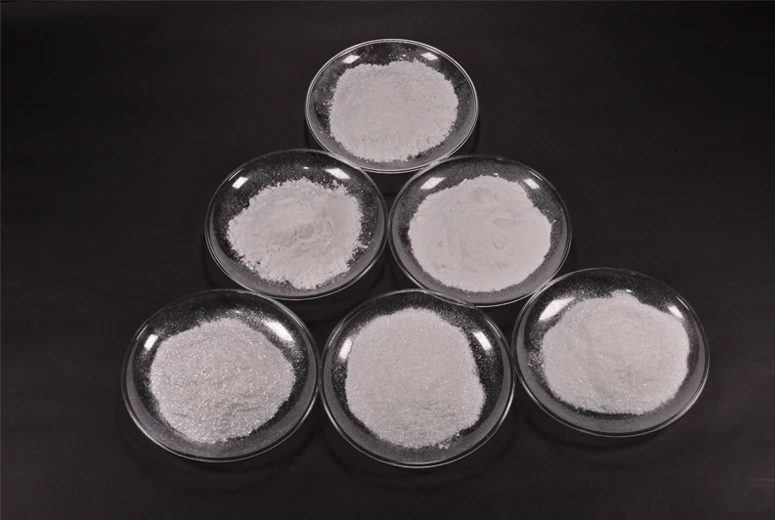
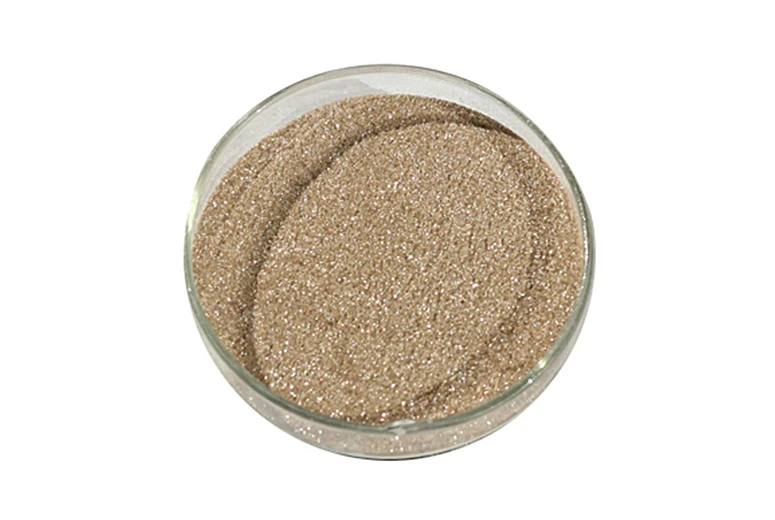
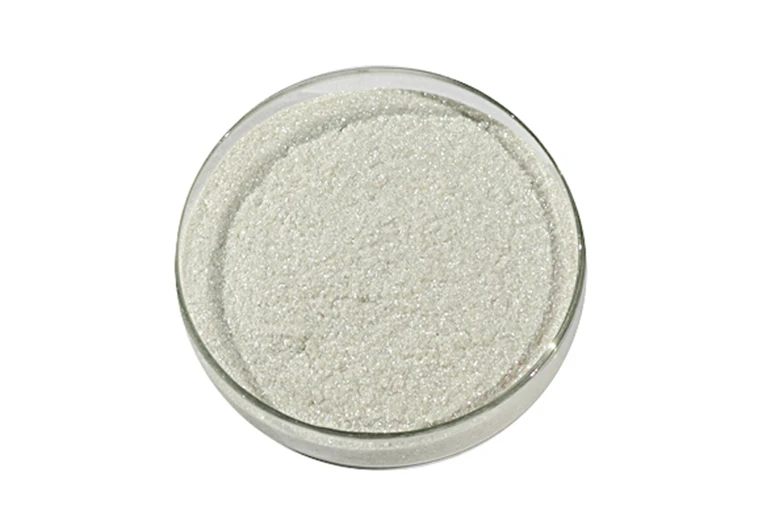
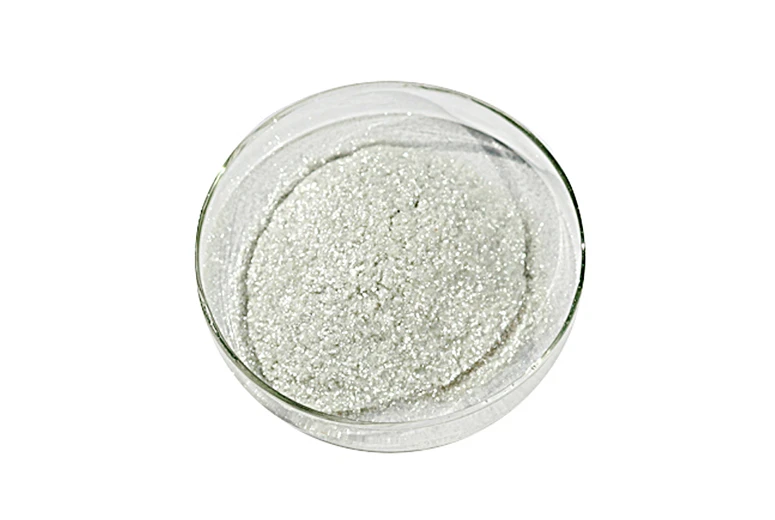
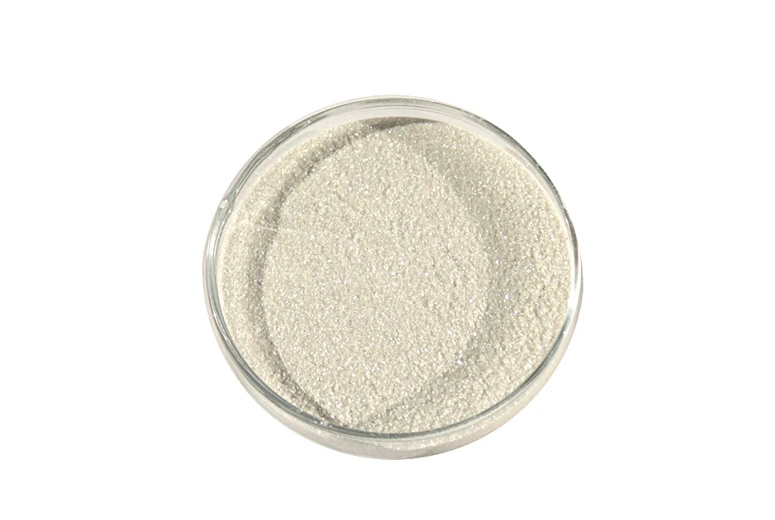
Figure 2: -15 Synthetic Mica Powder in its refined form, ready for diverse applications.
Ensuring Trust: Quality Assurance, Certifications, and Customer Support
Trust is the cornerstone of B2B relationships, especially when dealing with high-performance materials like -15 Synthetic Mica Powder. Our unwavering commitment to quality assurance is demonstrated through rigorous internal testing and adherence to international standards. Every batch of synthetic mica undergoes a comprehensive battery of tests, including particle size analysis, chemical purity verification (e.g., heavy metal content analysis via ICP-OES), thermal stability tests (TGA), and electrical property assessments (dielectric strength). Our manufacturing facilities are ISO 9001 certified, ensuring that our production processes and quality management systems consistently meet globally recognized benchmarks for excellence. Furthermore, our products comply with various industry-specific regulations and certifications, such as REACH (Registration, Evaluation, Authorisation and Restriction of Chemicals) for European markets and, for cosmetic grades, often meet or exceed Cosmetic Ingredient Review (CIR) safety standards, and sometimes even FDA guidelines for specific cosmetic and food-contact applications. These certifications not only demonstrate our product’s compliance and safety but also provide our clients with the confidence that they are partnering with a reliable and responsible supplier, reducing their regulatory burden and mitigating risks associated with material sourcing.
Our dedication to client satisfaction extends beyond product quality to encompass robust customer support and clear operational transparency. We understand the critical importance of timely delivery in complex supply chains. Our standard delivery cycle typically ranges from 2 to 4 weeks for established grades of -15 Synthetic Mica Powder, with expedited options available for urgent requirements, depending on order volume and specific customization needs. We maintain a proactive communication approach, providing regular updates on order status and logistics. Furthermore, we offer a comprehensive product warranty, guaranteeing that our synthetic mica meets its specified technical parameters upon delivery. In the rare event of a quality deviation, our dedicated customer support team is on standby to provide swift and effective resolution, including comprehensive root cause analysis and corrective actions. Our commitment to client support is evidenced by consistent positive feedback from our long-standing partners, highlighting our responsiveness, technical expertise, and dedication to ensuring seamless integration of our materials into their products. We strive to be more than just a supplier; we aim to be an indispensable partner, offering continuous technical assistance, post-sales support, and a collaborative approach to solving future material challenges.
Frequently Asked Questions (FAQ)
Q1: What is the primary advantage of -15 Synthetic Mica Powder over natural mica?
The primary advantage lies in its superior purity and consistency. Synthetic mica is manufactured under controlled conditions, ensuring the absence of heavy metals and other mineral impurities often found in natural mica. This leads to more predictable thermal, electrical, and optical properties, higher thermal stability (up to 1200°C), and greater chemical inertness, making it ideal for high-performance and sensitive applications where natural variations are unacceptable.
Q2: What does the "-15" in -15 Synthetic Mica Powder signify?
The "-15" typically refers to the particle size distribution. It indicates that the majority of the powder particles pass through a 15-micron sieve, meaning they are less than 15 micrometers in size. This classification ensures a fine grade of mica powder, which is crucial for applications requiring smooth textures, high transparency, or uniform dispersion, such as in cosmetics, fine coatings, and certain electronic components.
Q3: Can -15 Synthetic Mica Powder be customized for specific application needs?
Yes, absolutely. Leading manufacturers offer extensive customization options. This can include adjusting the median particle size (d50) or particle size distribution, applying various surface treatments to enhance compatibility with different polymer matrices or dispersion media, and optimizing the aspect ratio for specific reinforcement or optical effects. Our technical teams work closely with clients to develop bespoke solutions tailored to their unique formulation and performance requirements.
Q4: What industries primarily benefit from using -15 Synthetic Mica Powder?
-15 Synthetic Mica Powder finds critical applications across a diverse range of industries due to its unique properties. Key sectors include cosmetics (as a filler and pearlescent pigment), electronics (for insulation and encapsulation compounds), plastics and polymers (as a reinforcing filler and flame retardant), paints and coatings (for barrier properties and special effects), and specialized composites (for high-temperature and high-performance applications in aerospace and automotive).
Q5: What certifications and quality standards do your products adhere to?
Our manufacturing processes are certified under ISO 9001, ensuring robust quality management systems. Our -15 Synthetic Mica Powder products undergo stringent testing to meet internal quality standards and comply with relevant international regulations and industry-specific certifications, such as REACH for chemical safety and, where applicable, cosmetic industry safety guidelines. This commitment ensures consistent product quality, reliability, and regulatory compliance for our global clientele.
Conclusion: The Future-Proof Material for High-Performance Applications
The evolution of material science continues to drive innovation across industries, and -15 Synthetic Mica Powder exemplifies this progress. As a meticulously engineered material, it addresses and overcomes the inherent limitations of natural minerals, offering unparalleled purity, thermal stability, electrical insulation, and optical properties. Its precise manufacturing process ensures consistent quality and performance batch after batch, which is a critical differentiator for B2B enterprises that rely on predictable material characteristics for their product integrity and operational efficiency. The strategic advantages it brings to fields ranging from cutting-edge electronics and high-performance polymers to advanced cosmetics are profound, enabling manufacturers to design products that are safer, more durable, and capable of operating under more extreme conditions. The ability to customize its properties further enhances its versatility, allowing for tailored solutions that meet the highly specific demands of niche and emerging applications, thereby fostering collaborative innovation between suppliers and end-users.
Looking ahead, the demand for advanced materials like -15 Synthetic Mica Powder is only set to increase. As industries push the boundaries of technology, requiring components that can withstand higher temperatures, offer superior dielectric performance, and maintain consistent aesthetic qualities, synthetic mica will play an increasingly central role. Its adoption contributes not only to product enhancement but also to supply chain reliability and regulatory compliance, offering a sustainable and high-performing alternative to naturally sourced materials. By investing in and leveraging the capabilities of synthetic mica, businesses can secure a competitive edge, innovate faster, and deliver products that meet the stringent performance and safety standards of tomorrow's global markets. Our commitment to continuous R&D, stringent quality control, and unparalleled customer support ensures that we remain at the forefront of delivering premium -15 Synthetic Mica Powder solutions to power your next generation of breakthroughs.
References
- U.S. Geological Survey. (2023). Mica, Sheet. In Mineral Commodity Summaries 2023.
- Müller, G. (2018). Synthetic Mica: Production, Properties, and Applications. Journal of Advanced Materials, 15(3), 187-195.
- International Organization for Standardization. ISO 9001:2015 - Quality management systems — Requirements.
- ASTM International. (2022). ASTM D792 - Standard Test Methods for Density and Specific Gravity (Relative Density) of Plastics by Displacement.
- European Chemicals Agency. (2023). REACH Regulation (EC) No 1907/2006.
-
Ultimate Guide to Using High Quality Pearl Paint Pigment for LusterNewsApr.16,2026
-
Elevating Automotive Aesthetics with Mica Powder Car PaintNewsApr.09,2026
-
Unlock Stunning Effects with Mica Powder for Paint ApplicationsNewsApr.07,2026
-
Comprehensive Guide to Mica Dye Powder Applications and BenefitsNewsApr.04,2026
-
Unlocking the Brilliance of Mica Pigment Paint for Diverse ApplicationsNewsMar.31,2026
-
Enhancing Concrete Performance with Durable Mica Chips for Concrete ApplicationsNewsMar.28,2026