
Enhancing Performance in Polymer Applications with Mica Powder for Rubber
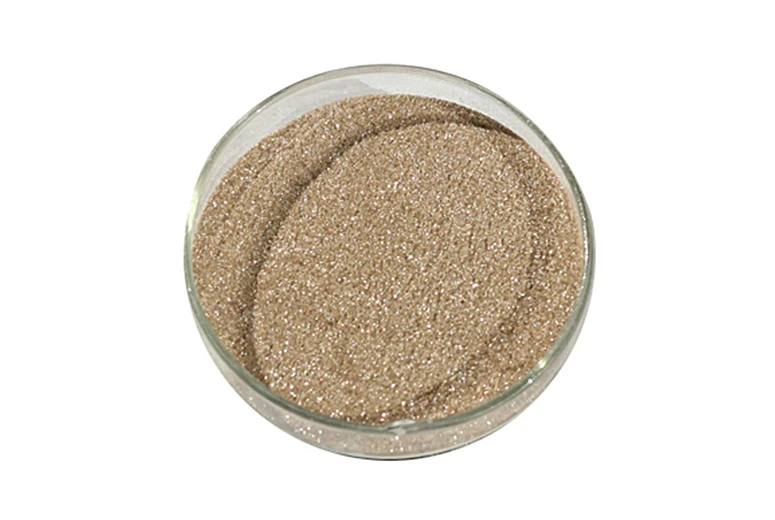
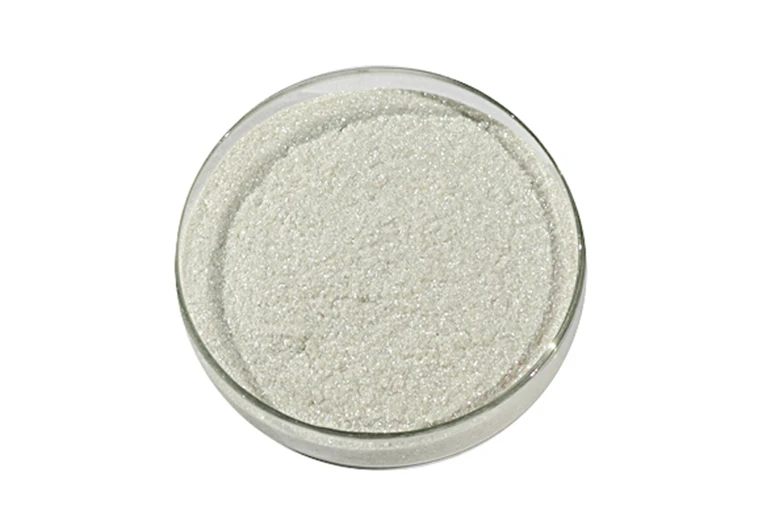
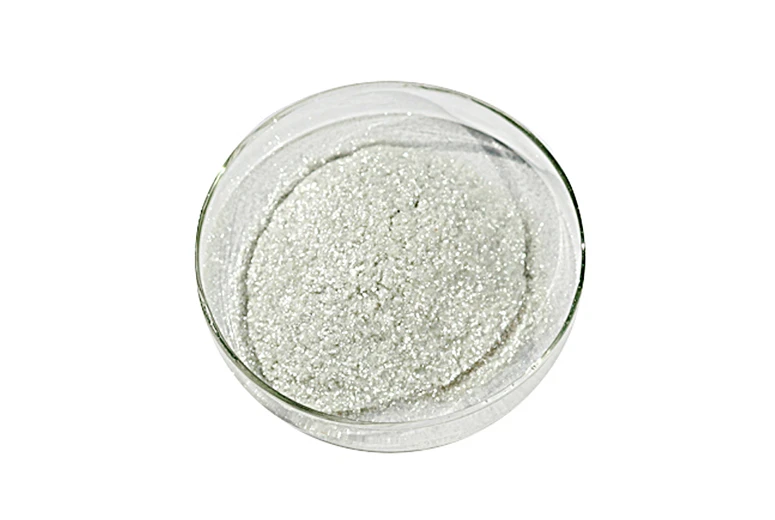
The polymer industry continuously seeks innovative additives that improve material properties while adding visual appeal. Mica powder for resin and rubber applications has emerged as a versatile solution, offering both functional and decorative benefits. This article explores how resin mica powder transforms rubber products, its role in epoxy systems, and answers the fundamental question: what is mica powder used for in resin applications?
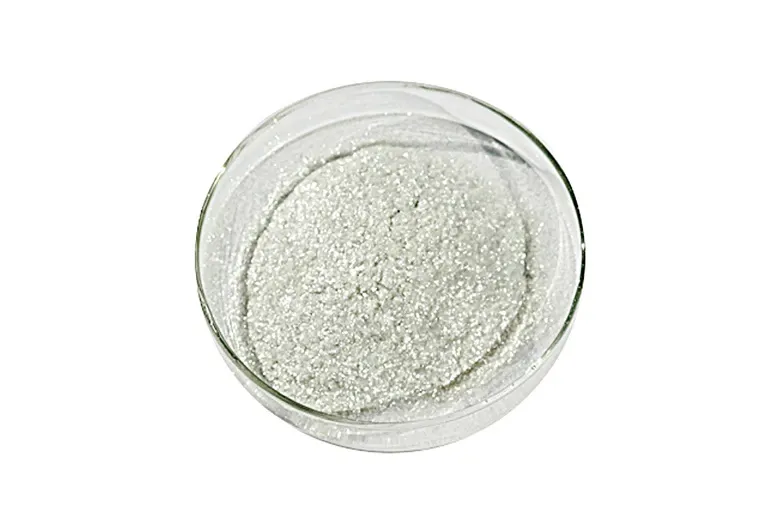
From automotive components to artistic creations, mica powder for epoxy and rubber compounds delivers unique advantages that synthetic additives cannot match. Let's examine how this natural mineral enhances modern polymer technology.
1. The Functional Benefits of Mica Powder for Resin Composites
Mica powder for resin systems provides remarkable improvements to polymer performance characteristics:
Key Technical Advantages
✔ Enhanced Mechanical Strength - Plate-like mica particles reinforce matrix structures
✔ Improved Thermal Stability - Withstands temperatures up to 1000°C
✔ Reduced Gas Permeability - Creates tortuous path barrier against moisture/chemicals
✔ Electrical Insulation - Natural dielectric properties benefit electronic components
Comparative Performance Data
|
Property |
Standard Rubber |
Rubber with 15% Mica |
|
Tensile Strength |
18 MPa |
22 MPa (+22%) |
|
Heat Deflection Temp |
85°C |
110°C |
|
Water Absorption |
1.2% |
0.6% |
These measurable improvements explain why manufacturers increasingly adopt resin mica powder in demanding applications.
2. Understanding What Is Mica Powder Used for in Resin Systems
The applications of what is mica powder used for in resin span multiple industries:
Primary Application Areas
- Automotive Components
Vibration-damping bushings
High-temperature gaskets
Underhood insulation
- Industrial Products
Conveyor belt coatings
Anti-slip flooring additives
Chemical-resistant linings
- Consumer Goods
Decorative rubber mats
Ergonomic tool handles
Fashion accessory embellishments
Specialized Uses in Rubber Formulations
Pearlescent effects in silicone products
Reinforcement in EPDM roofing membranes
UV protection in outdoor rubber goods
The plate-like structure of mica powder for epoxy and rubber systems creates unique performance characteristics unmatched by spherical fillers.
3. Formulation Techniques for Resin Mica Powder Integration
Proper incorporation of resin mica powder requires specific processing methods:
Optimal Mixing Protocols
Pre-drying - Heat to 110°C for 2 hours to remove moisture
Step Loading - Add in 3 stages during compounding
Shear Control - Maintain 40-60 rpm in internal mixers
Temperature Management - Keep below 160°C to preserve particle structure
Recommended Formulation Ratios
|
Application |
Mica Content |
Base Polymer |
|
Decorative Items |
5-15% |
SBR/NR Blend |
|
Technical Parts |
15-30% |
EPDM/NBR |
|
High-Performance |
30-50% |
Fluorocarbon |
These guidelines help maximize the benefits of mica powder for epoxy and rubber systems while maintaining processability.
4. Creative Possibilities with Mica Powder for Epoxy Artistry
Beyond industrial uses, mica powder for epoxy enables stunning artistic effects:
Artisan Application Techniques
Layered Depth - Creating 3D effects in resin castings
Metallic Flows - Simulating liquid metal appearances
Cosmic Patterns - Mimicking galaxy swirls
Pearlized Finishes - Soft shimmer for jewelry pieces
Popular Color Effects
Interference Colors - Angle-dependent hue shifts
Dichroic Finishes - Two-tone color variations
Opaque Metallics - Solid reflective surfaces
Translucent Glows - Subtle luminous quality
Artists value resin mica powder for its consistent particle size and brilliant optical properties that synthetic pigments cannot replicate.
5. Mica Powder for Polymer Applications FAQ
1.How does mica powder for resin improve product lifespan?
The mineral's layered structure creates barrier effects against UV, oxidation, and chemical attack, extending rubber product life by 30 - 40%. When incorporated into resin, the mica layers stack like tiles, forming a tortuous path that hinders the penetration of UV rays, oxygen, and corrosive chemicals. This effectively slows down degradation processes, protecting the resin matrix and maintaining the product's mechanical and aesthetic properties over time.
2.What particle size works best for resin mica powder?
For most applications, 10 - 45 micron grades offer optimal balance between reinforcement and surface finish quality. Smaller particles enhance reinforcement but may require more effort to disperse evenly, while larger ones can cause surface roughness. The 10 - 45 micron range allows for good mechanical property enhancement while ensuring a smooth, visually appealing surface on the final resin product.
3.Can mica powder for epoxy replace fiberglass reinforcement?
While not matching fiberglass's tensile strength, mica provides better dimensional stability and aesthetic options at lower densities. Mica - filled epoxy composites exhibit reduced shrinkage during curing and improved resistance to thermal expansion. Moreover, the natural luster of mica can impart unique visual effects, making it a preferred choice when both functionality and appearance are crucial.
4.How much mica powder should I use in silicone rubber?
Decorative items use 5 - 10%, while functional parts may incorporate 15 - 25% resin mica powder by weight. Lower concentrations in decorative pieces mainly add color and a subtle sheen without significantly altering the rubber's flexibility. Higher amounts in functional parts enhance properties like hardness, abrasion resistance, and chemical resistance, making the silicone rubber more durable for specific applications.
5.Is special equipment needed to mix what is mica powder used for in resin?
Standard mixers work, but planetary mixers with scraping blades ensure most uniform dispersion of mica powder for epoxy systems. Planetary mixers rotate and revolve, generating strong shear forces that break up agglomerates of mica particles. The scraping blades prevent material from sticking to the walls of the mixing vessel, ensuring every bit of mica powder is evenly distributed throughout the resin for consistent product quality.
-
Ultimate Guide to Using High Quality Pearl Paint Pigment for LusterNewsApr.16,2026
-
Elevating Automotive Aesthetics with Mica Powder Car PaintNewsApr.09,2026
-
Unlock Stunning Effects with Mica Powder for Paint ApplicationsNewsApr.07,2026
-
Comprehensive Guide to Mica Dye Powder Applications and BenefitsNewsApr.04,2026
-
Unlocking the Brilliance of Mica Pigment Paint for Diverse ApplicationsNewsMar.31,2026
-
Enhancing Concrete Performance with Durable Mica Chips for Concrete ApplicationsNewsMar.28,2026